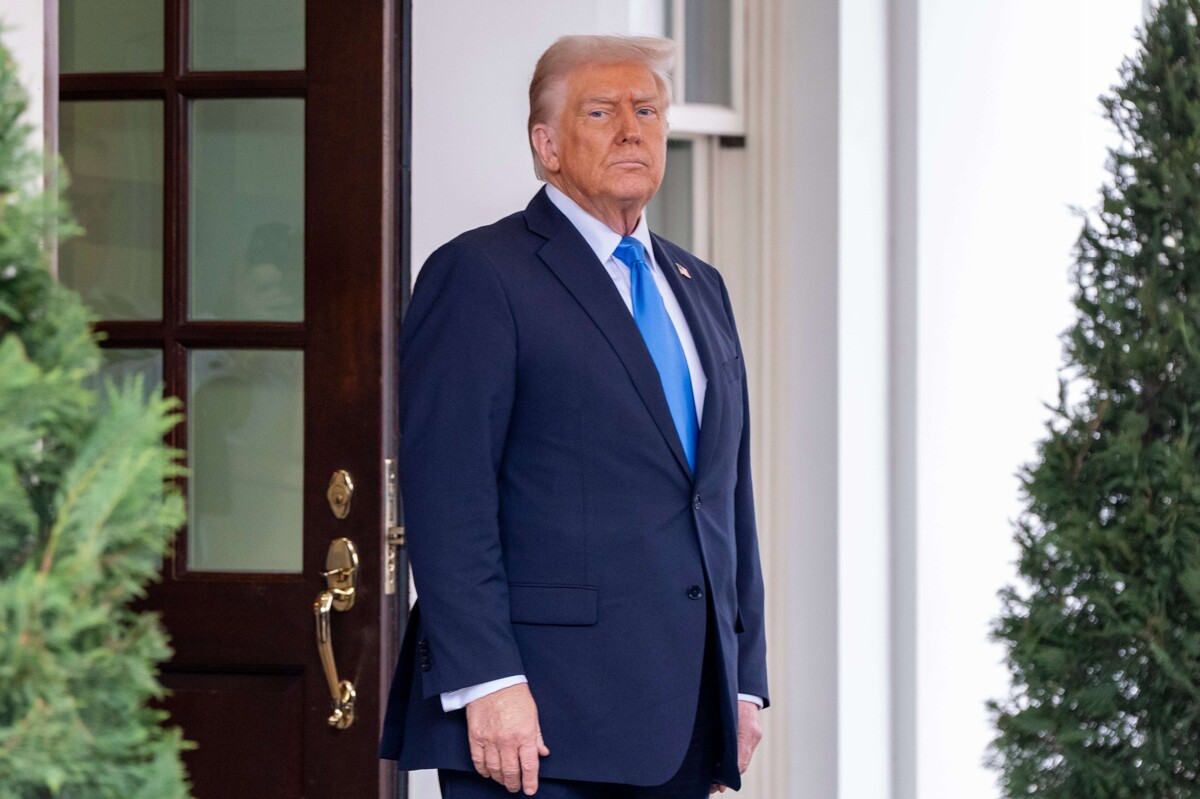
The Trump administration has taken a measure aimed at denying automatic citizenship to babies born in the United States to undocumented migrant parents or those with a temporary immigration status. Until now, the traditional interpretation of the Constitution has guaranteed citizenship to all people born on U.S. territory, regardless of their parents' legal status. However, the Trump administration argues that this provision has been misinterpreted and that the right should depend on the parents' legal status.
A key constitutional debate The central point of the conflict is the phrase 'subject to their jurisdiction' within the 14th Amendment. This debate could redefine who has the right to be considered a U.S. citizen and affect thousands of families.
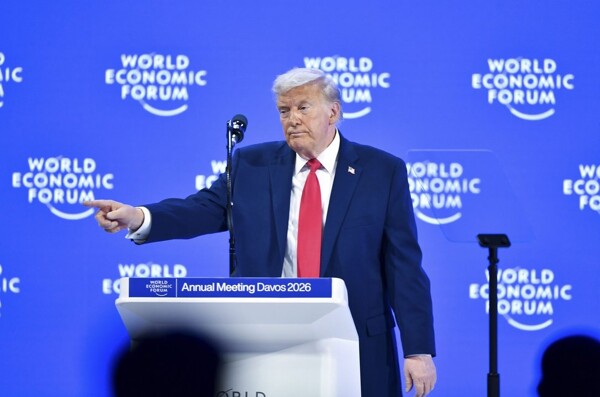
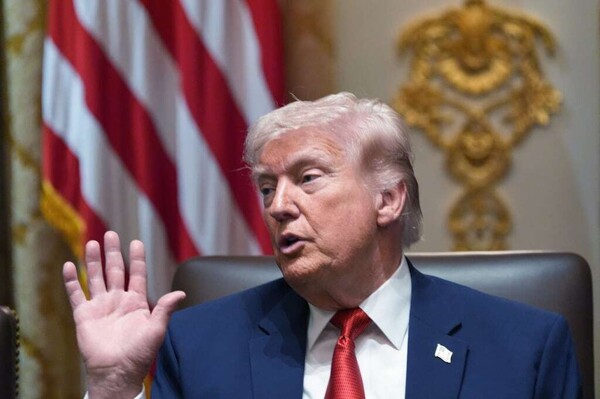
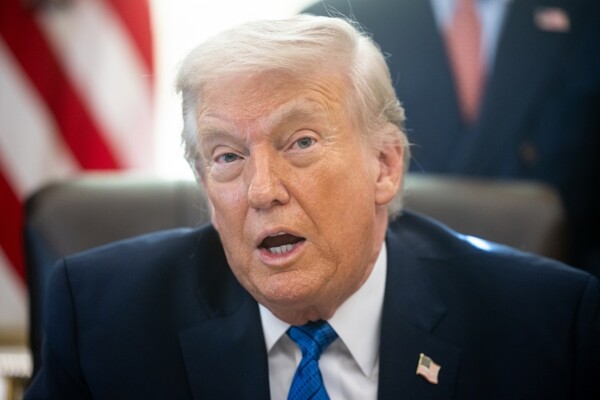
What's at stake The case revolves around an executive order pushed by President Donald Trump at the beginning of his second term. The U.S. Supreme Court is examining one of the most important cases in migration and constitutional law in recent years: birthright citizenship. While the government argues that this excludes children of migrants without legal status, civil organizations defend that it has been interpreted broadly throughout history. This principle has been upheld for over a century, including the legal precedent of the 1898 Wong Kim Ark case, which confirmed citizenship for children of immigrants born in the U.S. Experts warn that changing this interpretation would even require a constitutional amendment, an extremely complex process in the U.S. political system.
Reactions and doubts in the Court During the hearing, several judges showed skepticism about the legality of the executive order. This suggests that the ruling may not favor the government. Additionally, Trump's presence at the hearing marked a historic moment, as no sitting president had ever attended a Supreme Court session before, which some interpreted as a form of political pressure.
Possible consequences If the measure is approved, thousands of children born in the United States could be left without citizenship, creating a new population without full rights in the country. Conversely, if the Court rejects the order, it would reaffirm a constitutional practice that has been in place for over 150 years.