The war in Iran affects the daily lives of millions of people, as sending a package from the US has become more expensive, and the pressure is just beginning. In the era of digital commerce, the effects could soon cross borders and become a global collateral damage.
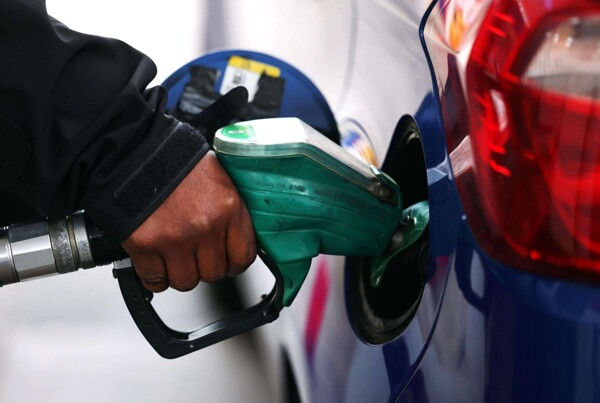
Since early March, the price of diesel in the US jumped from $3.897 to $5.401 per gallon, while Gulf Coast jet fuel rose from $3.103 to $4.009. These are the fuels that power major parcel services. Meanwhile, the price of crude oil remains above $100 per barrel following the military escalation. Although it saw a sharp drop after US President Donald Trump announced a ceasefire during negotiations with Iran, the new disagreement between the two nations could trigger a new escalation.
This Sunday, it was officially confirmed that the ceasefire that caused a collapse in oil prices did not hold. Talks between Washington and Tehran in Islamabad ended without an agreement, after which Trump ordered the US Navy to blockade the Strait of Hormuz. Through this strait, nearly 20% of global liquid petroleum consumption passes, according to the EIA, which will exert more pressure on energy and, consequently, on transportation.
The War Increases Shipping Costs
It should be clarified that there was no official, uniform "fare hike" across all parcel services, but there was a significant increase due to rising fuel costs. As a reference, UPS, FedEx, and DHL use formulas linked to public indices for diesel and jet fuel, and these energy prices skyrocketed in March. US retail diesel rose from $3.897 to $5.401 per gallon between the week of March 2 and March 30, while Gulf Coast jet fuel increased from $3.103 to $4.009 between the week of March 6 and March 27. To this, the effect of the blockade ordered by Trump this Sunday must be added.
For now, last month's increases are already reflected in the companies' price tables. At UPS, the domestic ground surcharge increased from 21.50% to 26.00% between March 2 and 23; domestic air, from 21.25% to 28.00%; international air export, from 26.00% to 33.25%; and import, from 29.75% to 37.00%.
FedEx showed even steeper jumps, as its Ground/Home Delivery/FedEx International Ground rate increased from 22.00% to 26.50% between March 2 and April 6; domestic package services, from 21.75% to 30.00%; export, from 26.00% to 36.50%; and import, from 29.75% to 40.25%. Meanwhile, for Freight, the surcharge jumped from 34.7% to 49.8% between March 4 and April 1; and DHL, for its part, raised its April export surcharge to 30.00% and import to 33.75%, up from 23.00% and 26.75% in March.
International Packages
Like a domino effect, the impact on parcel shipping rates is spreading rapidly, confirming that the blow was not just domestic. The surcharges from UPS, FedEx, and DHL also increased for international shipments, and in several cases, the increases were greater than for domestic ones.
This means the impact is not limited to the consumer sending a package within the US, but also makes exports, imports, cross-border purchases, and broader supply chains more expensive. USPS is a partial exception; the Postal Service announced on March 25 an 8% temporary increase for Priority Mail Express, Priority Mail, USPS Ground Advantage, and Parcel Select, with an effective date of April 26 and validity until January 17, 2027, subject to regulatory review.
This measure was introduced for competitive domestic products, not as a new adjustment for international services.
Temporary Relief from the Ceasefire
When President Trump announced a two-week ceasefire with Iran on Tuesday, April 7, the market reacted with relief. International crude prices saw the US crude fall by 14.3% to $96.83 and Brent by 13.3% to $94.74, while US stock futures rose sharply. It was a sign that investors were betting on a de-escalation around Hormuz, but the reprieve was brief. This Saturday, the 21-hour negotiations in Islamabad failed, leaving the future of the ceasefire, which officially expired on April 22, in question.
Afterward, Trump ordered a new blockade of the strait, a measure that could add $5 to $10 to the price of oil, according to experts consulted by AP. And so, the domino effect will resume its escalation, as if crude oil heats up again, so will the surcharges that parcel companies use to calculate their fees.
When diesel, jet fuel, and oil prices rise, the cost of moving packages by truck and plane increases. And when major parcel companies pass this cost on through surcharges, the consumer ends up paying more to return a purchase, send a gift, supply a small business, or run an online store.