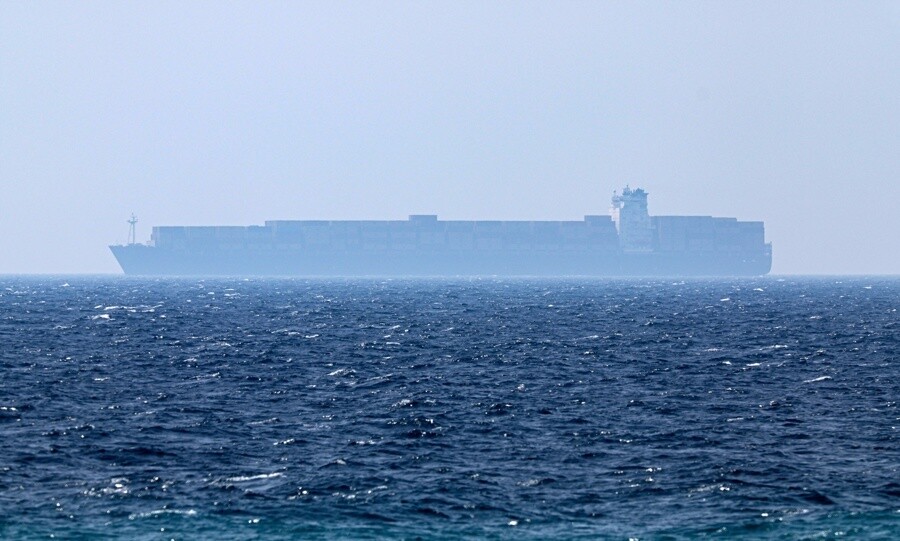
The CEO of the American Petroleum Institute (API), Mike Sommers, head of the main US oil lobby, warned on Tuesday that the reopening of the Strait of Hormuz is key to curbing the rise in global oil and gas prices. "The truth is that there is no substitute for the strait. It is the key piece that must be put in place, and it must be done quickly," Sommers said on Tuesday during his speech at the CERAWeek energy conference in Houston. Sommers added that "otherwise, we will continue to see price increases across the country, not just in the United States, but also in Europe and Asia, through which much of this oil flows." The executive stressed that nearly a fifth of the world's crude oil supply passes through the Strait of Hormuz, a strategic waterway whose disruption has created tensions in energy markets and pushed up international prices. Sommers also noted that, unlike previous crises, US producers will not immediately increase their production due to price volatility, which limits their ability to offset the impact of the closure of that key route. The industry representative insisted that the situation requires an urgent response both internationally and in US domestic policy, amid a context marked by uncertainty over the evolution of the conflict with Iran. Meanwhile, US President Donald Trump announced on Tuesday that Iran would have committed to not manufacturing nuclear weapons during the talks that the president says Washington and Tehran are holding and for which he decided to postpone for five days the attacks on the Islamic nation's power plants. At the close of trading on Tuesday, oil prices remained at high and volatile levels, with the international benchmark Brent crude around $100 a barrel, while US West Texas Intermediate (WTI) crude was near $88 to $90 per barrel. The market was marked by strong fluctuations amid uncertainty over the conflict in the Middle East and the situation in the Strait of Hormuz, which has increased the sensitivity of prices to any signal of possible escalation or diplomatic progress.