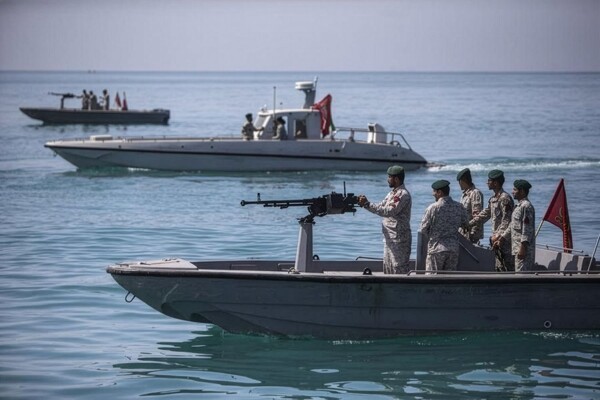
The collapse of high-level negotiations in Pakistan between the United States and Iran has plunged the Middle East into a state of absolute uncertainty, leaving open the question of how much the escalation of tension will reach in the coming weeks. After marathon meetings that extended into the early morning, negotiating teams admitted an insurmountable deadlock on critical axes: the reopening of the Strait of Hormuz and the Iranian nuclear program. For Washington, Iran's refusal to give up its enriched uranium reserves proved an insurmountable limit, while Iran maintained its stance of not yielding until economic sanctions are lifted, stating that 'both parties considered the talks failed'. The great unknown now lies in how the global energy market will react to the persistent blockade of the Strait of Hormuz. Iran, aware of the strategic power it holds over oil traffic, has decided to use the maritime route as bargaining chip, refusing to normalize circulation until a final agreement is reached. Iran dismissed the failure of the summit and stated that it did not expect to negotiate with the US. This situation, according to the Argentine News Agency, is generating turbulence in global energy markets and political pressure on Trump, who is facing a supply crisis in a key year.