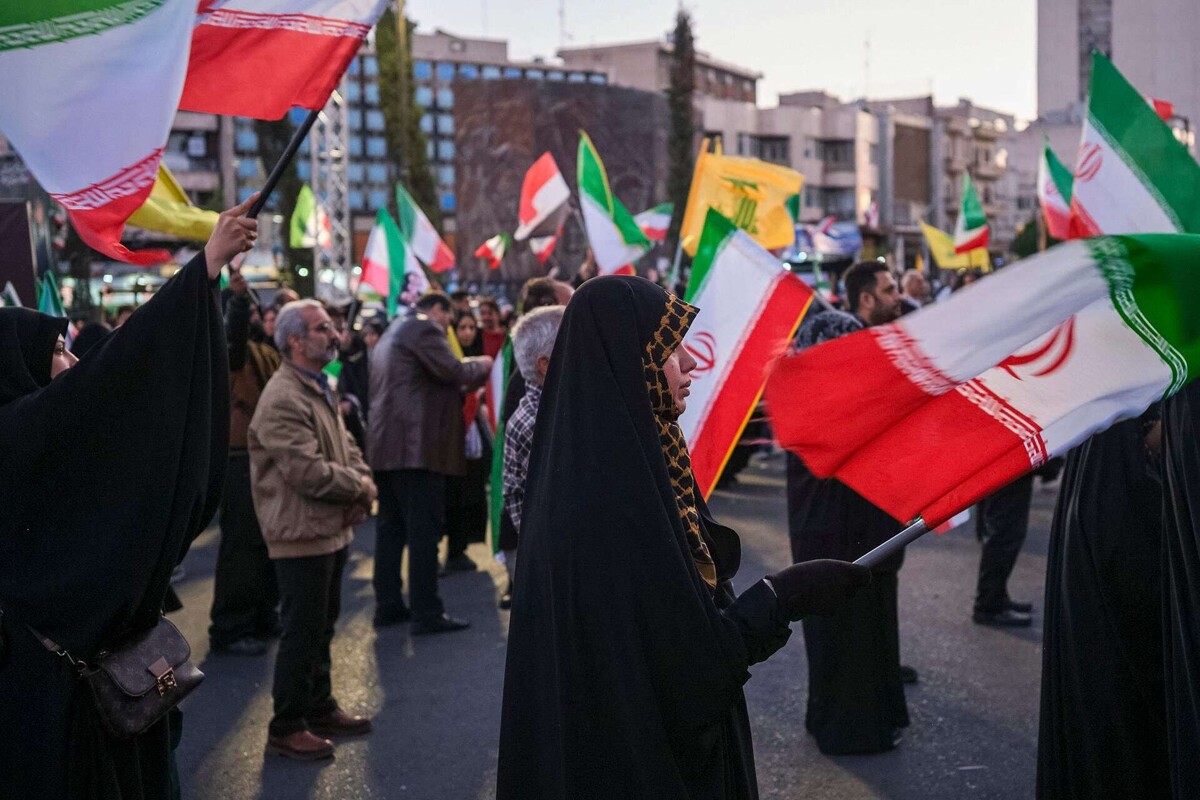
The Department of Treasury recognizes the figure of secondary sanctions for certain operations linked to Iran, i.e., measures that can even affect non-US actors. That is why the comparison with Cuba is not an exaggeration, although it should not be forced either. The United States not only punishes its direct adversaries; it has also specialized in making any relationship with them toxic. The message is brutal in its simplicity: if you approach my enemy, you will pay too; in the very language of US sanctions, this has a name. When power ceases to persuade easily, it begins to govern through cost; it no longer convinces, it conditions; it no longer aligns, it poisons ties; it no longer disciplines only the enemy, but also the neutrals. Therefore, the important news is not only the fragility of the ceasefire between the United States and Iran. Cuba was one of the most persistent laboratories of this logic; Iran could become its most volatile and most expensive version for the international order.
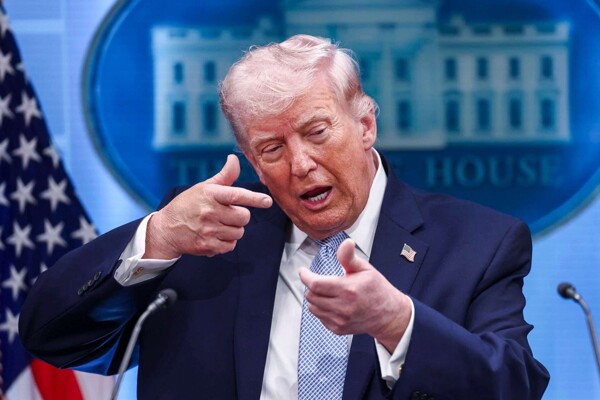
Before the end If a power can arrogate itself the right to sanction not only its enemy, but anyone who maintains a useful link with it, then we are no longer facing a defensive foreign policy. Iran, in turn, is being placed before a more abrupt, more unstable, more Trump-style version, where the tariff attempts to substitute for diplomacy and the commercial threat becomes a tool of political warfare. Sometimes it does not need to formally prevent contact; it is enough to raise its cost, project the risk, sow enough threat so that others retreat on their own. This is how the US has operated for decades with Cuba, through the embargo, and later through extraterritorial tools like the Helms-Burton Act, which extended the reach of punishment beyond the island and projected it onto foreign companies, banks, and investors. This is the most revealing aspect of the current episode: the objective is not only to weaken an immediate rival. There are forms of power that do not block head-on but manage to achieve almost the same effect. Cuba was subjected to a slower, more legal, more sedimented over time siege. The goal is to discipline everyone else; it is not only about Tehran, but about any government, company, intermediary, shipping company, insurer, or supplier that is today calculating whether it is convenient to continue supplying, trading in, or financing any relationship with Iran. There is no need to declare an absolute blockade when one can punish anyone who tries to get close. When a country begins to exercise such power over others' relationships, what expands is not order, but fear. That is what Donald Trump has put back on the table with Iran, not only by threatening with immense devastation, not only by opening a two-week pause in attacks, but by warning that he would impose 50% tariffs on countries that supply weapons to Tehran. There is no need to close all doors when it is enough to make them dangerous. Its greater effectiveness is not always in the sanction that is executed, but in the relationship that is no longer concretized, in the investment that is frozen, in the company that withdraws before being named. This forces one to say something uncomfortable: this type of policy is usually presented as a security tool, when in reality it reveals something else, the growing difficulty of a power to order the world by consensus. They are not identical cases. We are facing a form of imperial administration of fear. He was not speaking only to Iran; he was speaking to the world. It is worth looking closely at the mechanism, because here we are not dealing with an isolated eccentricity. The form changes, but not the substance. In both cases, the same pretension appears: to use the weight of the US market, its financial system, and its regulatory capacity to isolate an adversary without needing to bear all the cost directly. There is something even more unsettling: these policies not only seek to strangle a country materially; they seek to produce isolation in advance. The truly important thing is the system that is once again exposed. Washington is not only showing its capacity for pressure on an adversary; it is reminding the rest of the world that it can turn a commercial relationship, a supply, or cooperation into a punishable offense. We are dealing with a method, one that is recognizable, even old.