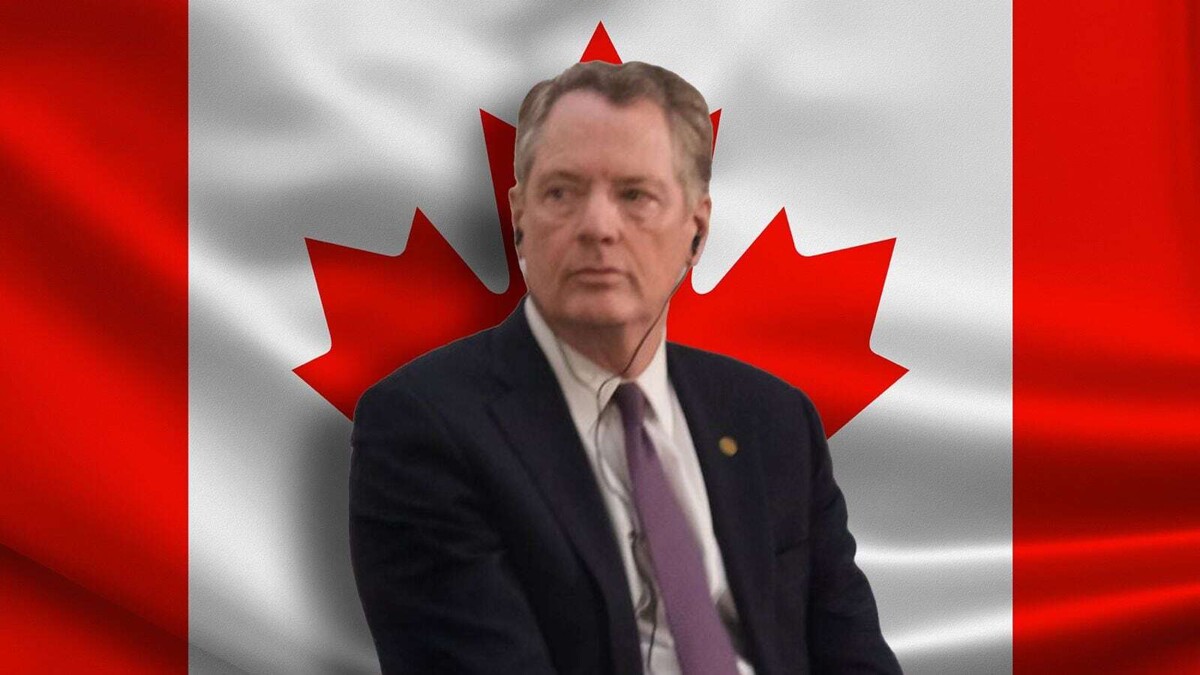
Economic pressure on the United States is mounting, and Canada is likely to get the best outcome in the USMCA trade negotiations if it waits, according to a former Canadian negotiator who helped draft a new agreement during Donald Trump's first term. 'Time is on our side because I believe the pressures on the United States will only increase over time,' said Steve Verheul, who was Canada's chief trade negotiator from 2017 to 2021 and now works as a private consultant. Trump's focus on trade during his second term — the imposition of broad tariffs on numerous trading partners as a pressure measure — 'is not delivering the expected benefits,' Verheul said Wednesday during a debate panel organized by the Bank of Montreal on global trade. Canada plays a fundamental role in those supply chains and can help the U.S. administration, Verheul stated. Given the uncertain environment for investment, 'there will be greater pressure to try to get to places where we have more stability and predictability,' he said. 'That is positive for Canada because that is what we are seeking.' A growing number of Federal Reserve officials are concerned that the war could further stoke inflation and wanted to make it clear, after their March meeting, that the central bank may have to consider raising interest rates, according to the meeting's minutes, published Wednesday. The United States-Mexico-Canada Agreement (USMCA), which currently governs trade on the continent, will undergo a formal review this year, as it will be six years on July 1 since it came into effect. U.S. Trade Representative Jamieson Greer said Tuesday that he plans to lay out the U.S. position on the agreement on June 1. 'I think we probably won't be able to solve all the problems by July 1, but I think we're on a good track to solve a lot of them and move as fast as we can,' Greer said during his remarks at the Hudson Institute. U.S. concerns about trade with Canada and Mexico are different, Greer added, and he expects parallel agreements to be negotiated with each country along with any broader agreement among the three. He added that this has not led to a recovery in employment in the U.S. manufacturing sector. The war in Iran has caused disruptions in the supply of energy, aluminum, fertilizers, and other raw materials.