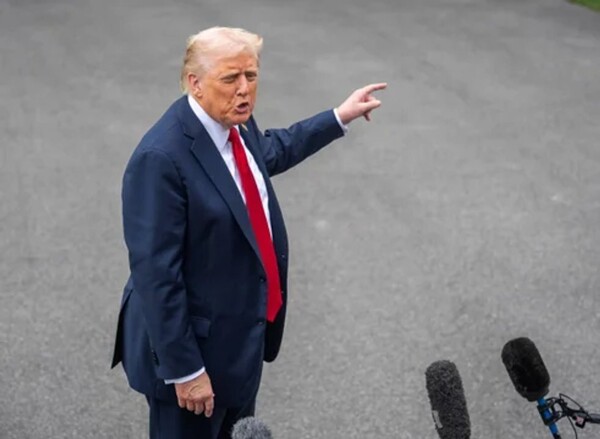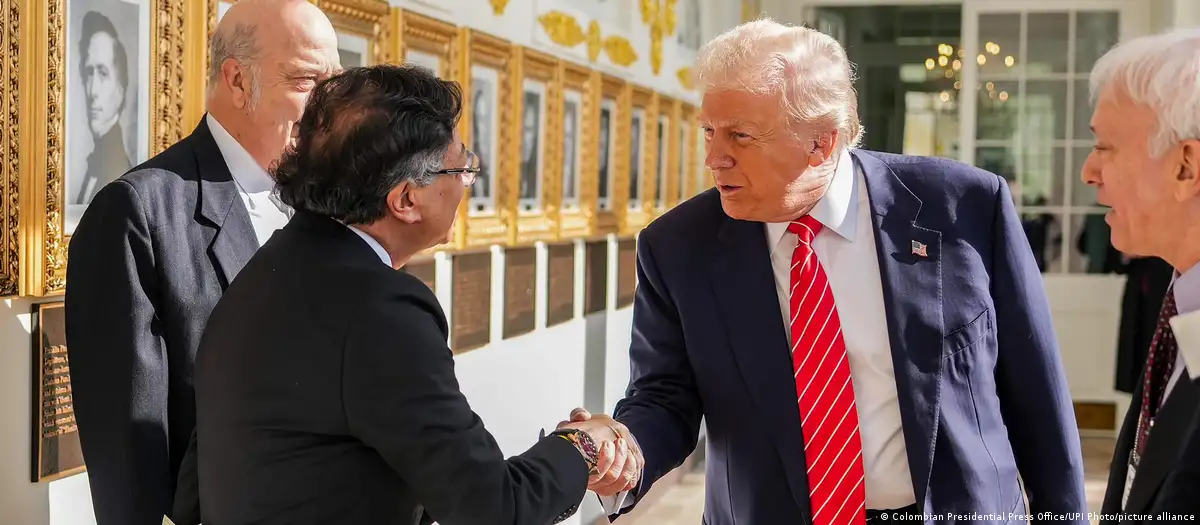
Colombian President Gustavo Petro orchestrated a significant shift in his country's foreign policy by meeting with his U.S. counterpart, Donald Trump, at the White House. This marked a clear abandonment of his confrontational rhetoric against the United States and a return to the strategic path of bilateral cooperation to address security, drug trafficking, and regional development issues. The Colombian president emphasized his interest in cooperating with the U.S. to capture major transnational drug traffickers, offer alternative anti-drug methods that respect human rights, and promote the export of Venezuelan gas through Colombia as part of a regional energy strategy. On previous occasions, the leader had pointed to the United States for what he called interference in regional affairs, even after the U.S. bombing in Venezuela in January, describing the actions as unacceptable aggressions against Latin American sovereignty. However, the tone and content of the approach in Washington clearly changed. The moderate tone and willingness to strengthen ties in areas of common interest represent for many a return to the diplomatic course that should never have been lost. Nevertheless, experts warn that despite the apparent normalization of the exchange, risks of new episodes of tension persist if differences on issues such as anti-drug policies, military cooperation, or trade do not find sustainable solutions. Petro also requested that Trump act as a mediator in diplomatic tensions with neighboring countries, including some friction with Ecuador. The image resulting from the meeting, captured in the Oval Office with official photographs, contradicted the open tensions of 2025, when Trump had publicly described Petro as a leader with links to drug trafficking and hinted at the possibility of military action — reports later discredited for lack of evidence — that ignited a bilateral crisis. Advisors and analysts have interpreted the willingness to dialogue as an opportunity to revitalize a decades-long strategic relationship between the two countries, which historically positioned Colombia as one of the main U.S. allies in the region. The meeting, considered historic by international analysts, reflected a tone of reconciliation that puts an end, although not definitively, to a year of deep frictions between Washington and Bogotá. The shift from a critical discourse to a pragmatic one was exposed not only in diplomatic attitude but also in the words expressed by both leaders after more than two hours of dialogue. Trump described Petro as 'terrific' and highlighted the common interest in cooperating to confront regional drug trafficking, while the Colombian president introduced a kind of continental unity slogan, suggesting a concept similar to 'Make the Americas Great Again' as a collective commitment of American nations. Petro's turn holds singular relevance if compared with his stances of recent years, during which he not only questioned U.S. policy on deportations and security but also criticized Washington's military operations and sanctions, which prompted diplomatic tensions and the revocation of his visa in 2025. This week's meeting, more than definitively closing the gap, could be considered the beginning of a new stage in the bilateral relationship that combines political realism with the strategic needs of both countries in the face of growing regional challenges.