While millions of Americans sit down for the traditional turkey dinner this Thursday, many immigrant families are spending Thanksgiving Day in fear, with absent loved ones and closed windows. In Latin neighborhoods of cities like Charlotte, Chicago, Los Angeles, Houston, and Miami, the aroma of Thanksgiving mixes with the anguish over recent migration operations by the Trump administration and the empty seats at the table.
"For the last four years, we had 18 people at the Thanksgiving dinner. I think any bite of turkey would taste bitter to me now," said this Venezuelan resident in the city of West Palm Beach (Florida). Blanco's relatives are among the 600,000 Venezuelans who lost this year the temporary protection that allowed them to remain legally in the United States, after judicial avenues to oppose Donald Trump's government decision to eliminate it were exhausted.
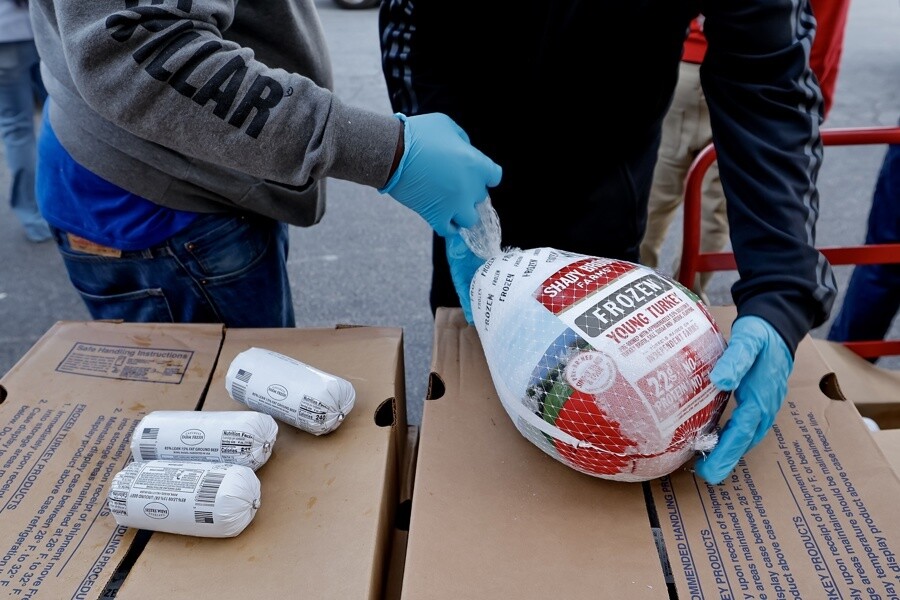
More than 5,000 kilometers to the west, in Seattle (Washington), raids have left charitable organizations with a surplus of food bags for preparing the Thanksgiving dinner. "Fewer people are coming to our food pantries since ICE is around, but an increase in detentions this Monday caused almost no one to come looking for turkey donations," said Van Cuno, executive director of the NorthWest organization.
In North Carolina, ICE's 'Charlotte's Web' operation led to a massive absence of students, the temporary closure of Latin small businesses, and the cancellation of family meetings. Juan de Dios Rodríguez, a waiter at a Mexican restaurant in the Greensboro area, one of the cities with the most immigrant population in the state, not only has two relatives in ICE detention centers but also fears being mistaken for an undocumented immigrant, and has not been working for three weeks.
"The owners closed because almost no one was coming. When you eat with fear, it ceases to be a celebration," wrote the Mexican-American activist Julissa Arce on social networks. "We have three cousins who will probably be deported and we don't have money for a special dinner. Everything was already very expensive, but with only my wife's income, it's not enough," explained this 38-year-old Mexican-American to EFE. To make money, he has joined a gardening crew, but with fear. "I will only ask that my husband comes home."
The United States expelled nearly 400,000 migrants in the first 250 days of Trump's second administration, according to the Department of Homeland Security (DHS), which forecasts the removal of 600,000 in the first year of the term.
"We were so grateful to this country that we made a great effort to follow the customs," EFE told Eugenia Blanco, a sports coach. "My parents returned to Venezuela when TPS was eliminated. My uncles and cousins don't want to leave home except to work. This is going to be a very sad Thanksgiving for us. For the first time since I became a priest and work with migrants in the United States, people do not have the confidence to dream of a better future," lamented Father Leandro Fossá. "This year, Thanksgiving doesn't feel the same. They are terrified. We know that if one is not white, they are at risk. We have already seen many cases of people born here who are detained for days and mistreated," he emphasized.
Meanwhile, in Chicago, the parish of Our Lady of Mount Carmel decided to revive the home-delivery system for the Thanksgiving dinner that it had adopted during the 2020 COVID-19 lockdown. "Many people are in an unstable situation and there is a lot of concern about family status and also about prices. They tell me they will open next week, but I doubt it." The message was shared thousands of times on X.
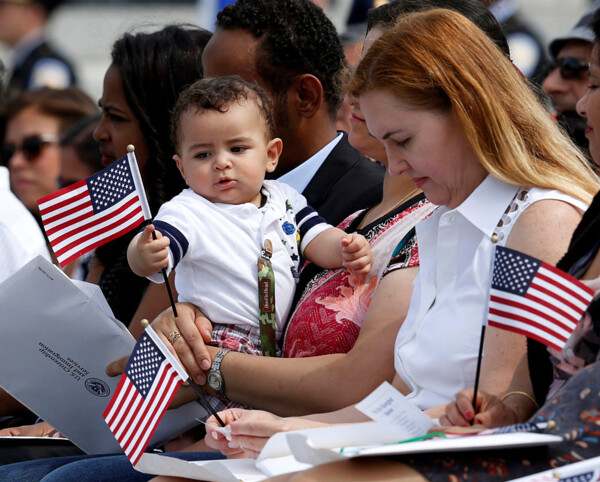
The historical irony has also become a central topic of conversation. "This country celebrates a dinner based on the myth that immigrants were welcomed, while it deports those who sustain its economy," wrote Indigenous activist Sarah Jumping Eagle on X. Another viral post read: "The descendants of those who arrived on ships celebrate that they were welcomed, but they pursue those who cross deserts and rivers."
In Los Angeles, during a public hearing on the effects of the raids, a Central American mother testified: "Thanksgiving is a day to give thanks. But how can we give thanks when our families are separated? How can we give thanks when we are afraid for our children?"