«The death penalty was built on a foundation of racism,» stated Megan Byrne, senior staff attorney at the ACLU Capital Punishment Project.
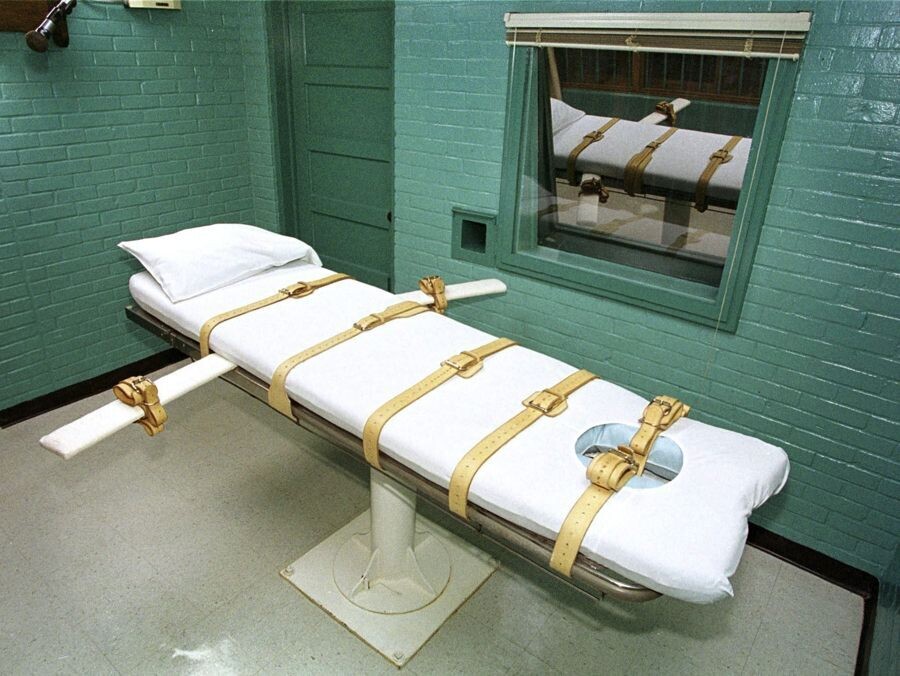
The report comes as the United States carries out 43 executions this year, a 72% increase from the previous year. The growth in the use of the death penalty has been driven by Florida, which accounts for more than a third of the nation's executions with 16, more than any other state, and in July it broke its annual record with nine.
The report, first published in La Verdad Panamá, states that U.S. authorities have executed at least 21 «probably innocent» people, mostly African American and Latino, since the modern era of the death penalty began in 1973.
The report, «Fatal flaws: Innocence, race and wrongful convictions,» details that more than half of the cases, 11, involved people of racial and ethnic minorities «wrongfully executed,» and in 16 of them, 76% of the total, the victim was white. The report warns that «there could be others» who were innocent.
Among them, ACLU cites the case of Carlos DeLuna, a Latino who was executed in Texas in 1989 based on a misidentification, having been sentenced to death for killing a gas station worker in Corpus Christi, where the real perpetrator was a man named Carlos Hernández.
It also points to the execution of African American Leo Jones in 1998 in Florida, where an all-white jury convicted him based on a «coerced confession» for murdering a white police officer.
Furthermore, the justice system has exonerated at least 200 people sentenced to death who were actually innocent, more than half of them, 108, being Black, as African Americans are seven times more likely to face a wrongful death sentence.
Among them, it highlights Glynn Simmons, who was wrongfully convicted of murder and spent 48 years in prison—longer than any other person exonerated from a death sentence—before being released in 2023 for the killing of Carolyn Sue Rogers in Oklahoma.
The primary factor in exonerations is the discovery of false testimony, which applies to 93.8% of Latinos and 70.7% of African Americans, the investigation detailed.
Other factors include prosecutorial and police misconduct, misidentification by witnesses, unreliable expert witnesses, and non-diverse juries. «Every wrongful conviction not only reveals an individual failure but also the patterns of a systemic injustice ingrained in the death penalty.»