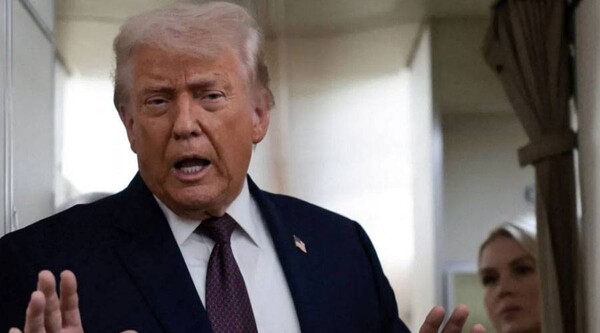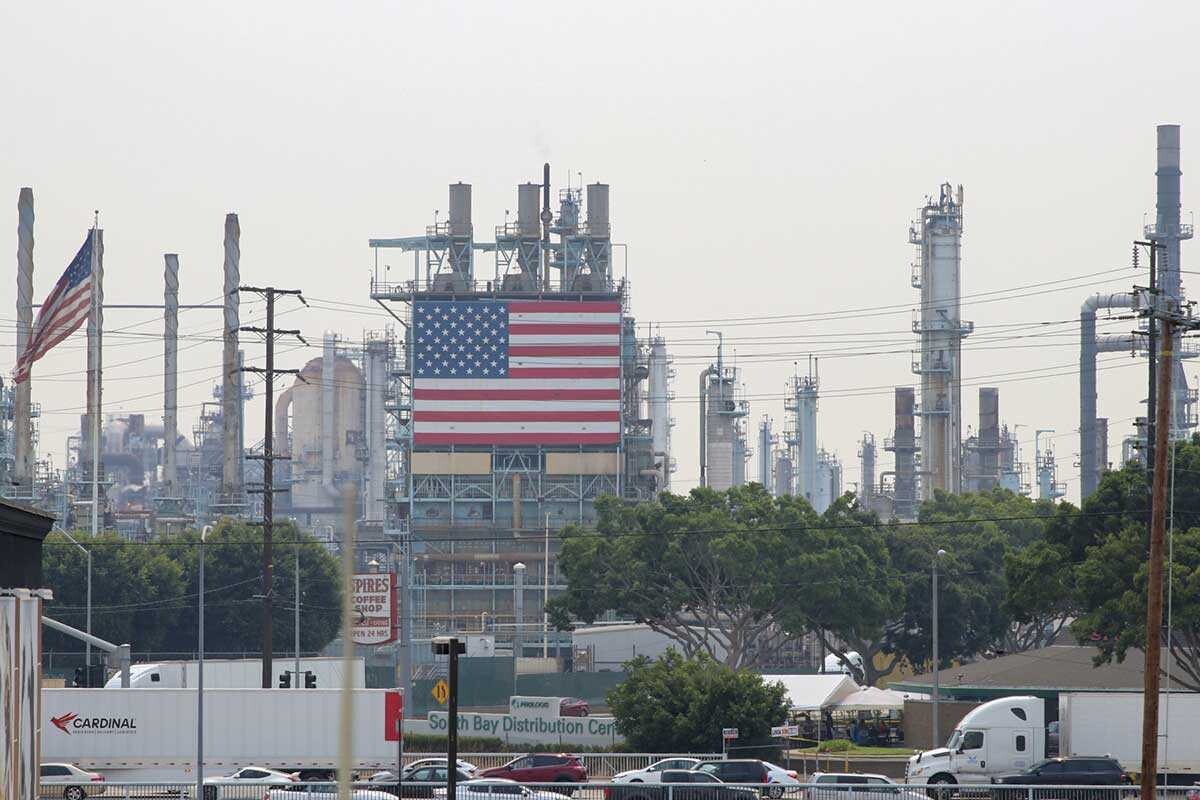
The President of the United States, Donald Trump, has declared a "national energy emergency" and signed a series of executive orders covering various aspects of U.S. policies, including immigration and national security. Among the measures taken are initiatives related to energy issues, such as halting the approval of new wind farms on federal jurisdiction, withdrawing federal support for the sale of electric cars, and reactivating the approval of new liquefied natural gas export terminals, suspended by the Biden administration in 2024.
These orders, which still face legal obstacles, aim, according to Trump, to reduce energy costs for Americans and ensure the "dominance" of the sector, focusing on the production of gas and oil. However, they have raised concerns among environmentalists, who oppose the expansion of fossil fuel production, major drivers of global warming.
Amid the global climate emergency, with disasters such as the wildfires in California, Trump's measures have been met with criticism. The lack of a real energy emergency and the questioning of the need to intensify gas and oil extraction in the context of climate change worry experts and activists.
In addition to national measures, the orders also affect international policy, including the U.S. withdrawal from the Paris Agreement and record production of gas and oil in the country. These actions, which benefit fossil fuel companies, could have global repercussions, impacting efforts to combat climate change.
Despite Trump's justification for the "energy emergency," both experts and environmentalists have expressed their concern over the consequences of these decisions in an increasingly urgent climate crisis.