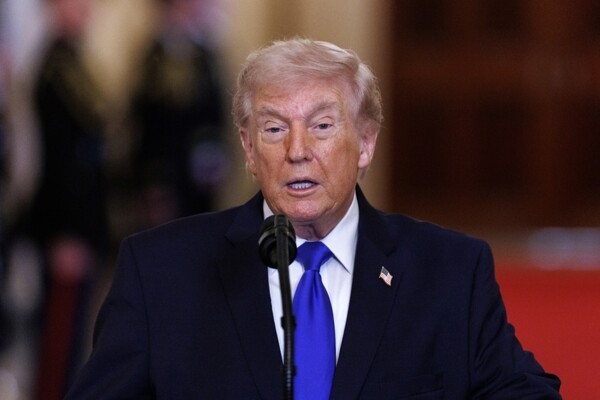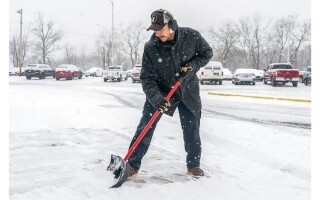
A recent study by 'Climate Central', an independent climate science organization, indicates that winter has shortened in 80% of major US cities. Researchers discovered that winter in about 195 US cities has become shorter by approximately nine days compared to the period from 1970 to 1997, as a result of climate change. For the study's purpose, researchers defined winter as the three coldest consecutive days of the year between 1970 and 1997, and compared the frequency of winter-like temperatures over the last 28 years (1998-2025). They found that nationwide, typical winter temperatures are arriving later and ending earlier than in the 20th century. According to the study, cities in the southeast, northeast, upper Midwest, and South experienced the greatest rate of decrease in winter days. However, in a counterintuitive finding, winter duration increased in about 15% of the 295 cities studied, particularly along the California coast and in the Ohio Valley. These new data coincide with one of the harshest winters in recent memory, including a historic snowstorm that hit the region last week, which meteorologists described as the strongest in a decade. Over 61 cm of snow was recorded in parts of the northeastern United States, with more than 91 cm in Rhode Island, surpassing the totals of the historic 1978 blizzard. Professor Matthew Barlow, a climatologist at the University of Massachusetts, said last Friday: 'A shorter winter period does not mean there is no winter. One of the other important research findings is that we expect an increase in the intensity of rainfall as the climate warms.' The storm caused power outages for hundreds of thousands of people and forced officials to impose temporary travel bans in New York, Massachusetts, New Jersey, Connecticut, and Delaware, among other states. Many who deny climate change have used the recent storms to argue that the planet is not warming due to emissions from factories, cars, and power plants. US President Donald Trump, who has long been skeptical and dismissive of established climate science, posted in January about the storms that hit the US at the end of January, writing: 'Record-breaking cold expected to hit 40 states, we rarely see anything like this. Can climate activists explain what happened to global warming?' Regarding Trump's climate debate, Barlow said: 'If we wait for a cold day to happen and then say it's very cold, and ignore all the other very hot days, that is not an honest attempt to assess information in any way.' Despite evidence of devastating environmental impacts, Trump has made undermining environmental protection a top priority in his second term. The Trump EPA revoked a key scientific document known as the endangerment finding on February 12. This decision gives the government the authority to regulate pollution that causes global warming. Since 2009, this policy has allowed the EPA to limit pollution-causing global warming from vehicles, power plants, and other industrial sources. More than 12 non-profit organizations focused on health and environmental justice have filed lawsuits against the EPA over this action. Shorter, warmer winters have dire consequences for humans and the environment, including reduced water supplies and lower summer crop yields. Barlow said: 'These are not just impacts we can see when we look out the window or affect our ability to drive to work; they are also fundamental changes to our ecosystems, the health of our community, and our water resources.' Shorter winters pose challenges to local economies. The multi-billion dollar winter recreation industry faces significant hurdles due to rising temperatures and reduced snow and ice cover. In some parts of Colorado, ski resort visits were down 20% this year amid a severe snow drought. Barlow said: 'It is important to remember that extreme weather events, even severe cold snaps, will continue to happen, albeit at a lower frequency.'