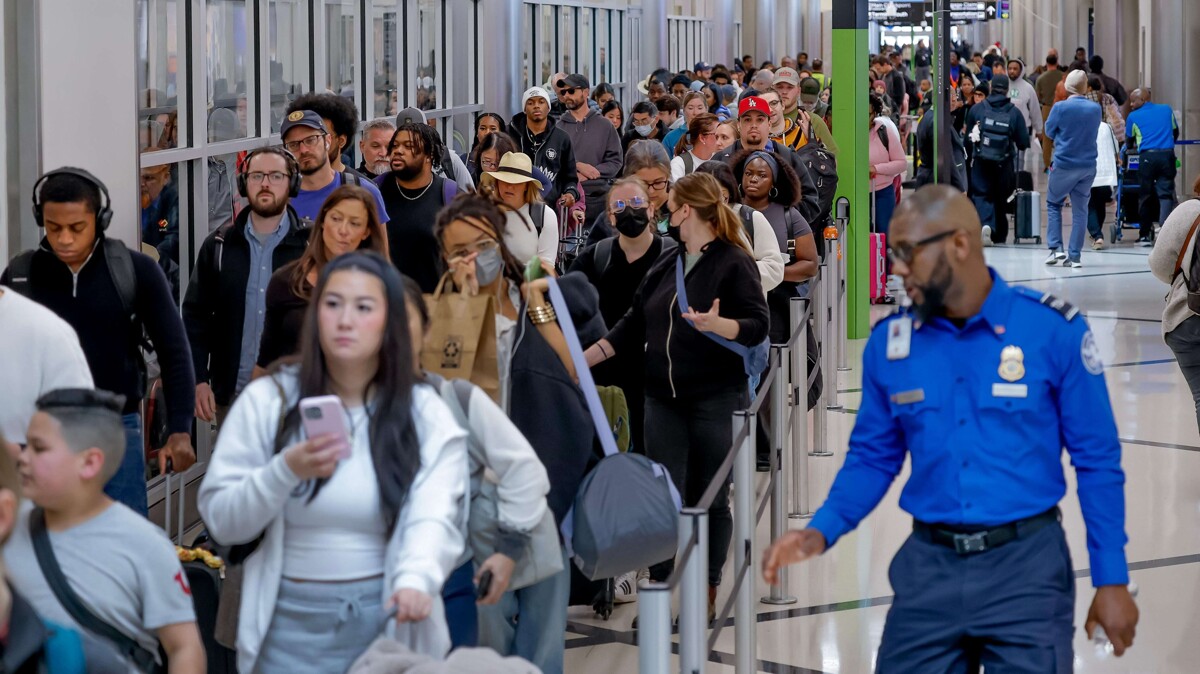
In recent weeks, a scene has become common at several of the largest airports in the United States: extremely long lines of passengers trying to get through security checkpoints to reach their flight gates. At the most complicated moments, some passengers have reported being in the TSA (Transportation Security Administration) screening areas for up to four hours at airports in Atlanta, Houston, New York, Denver, New Orleans, and South Florida. The situation has worsened since the TSA has seen a significant reduction in available staff due to a lack of federal funds to pay salaries, resulting from a lack of an agreement in Congress to fund the Department of Homeland Security (DHS), which oversees the TSA. Democratic lawmakers blocked the DHS budget in February in protest of the anti-immigration raids promoted by the Donald Trump government in the previous months. Many airport security employees at the TSA have chosen not to show up to work due to lack of pay since then. As the situation worsened, President Trump assured this Sunday that he will send agents from Immigration and Customs Enforcement (ICE) to “help” with airport terminal security, a task that is not part of their duties or training. However, the union representing TSA agents criticized the measure, stating that its staff “deserves to be paid, not replaced by armed and untrained agents.” This is happening as some 170 million passengers seek to travel during spring break.
Quote: “These long security lines have been frustrating. It has been overwhelming, to say the least,” Greta Colley told Reuters at the Atlanta airport. “It's exhausting to have to add extra time to your trip.”
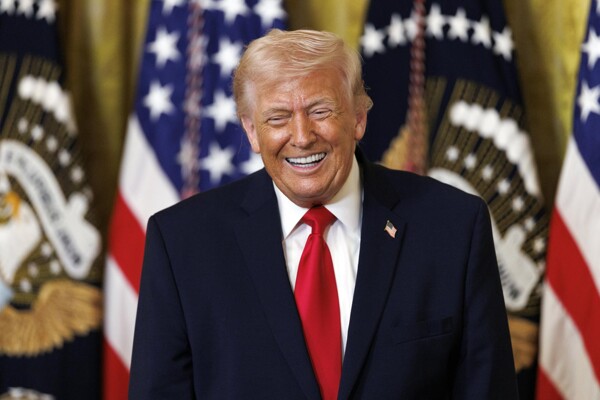
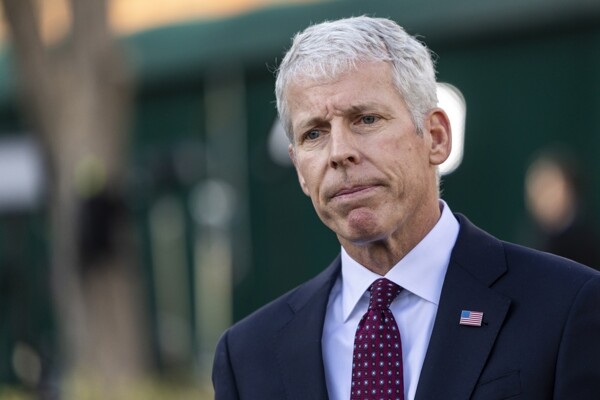
Speaking about the airport situation, Trump posted on Truth Social that “on Monday, ICE will go to the airports to help our wonderful TSA agents who have remained at their posts.” His comment came a day after the president criticized Democrats who refuse to vote for the DHS budget. “I will move our brilliant and patriotic ICE agents to the airports, where they will take care of security like nobody has ever seen before,” Trump posted. However, ICE Director Tom Homan assured in an interview with CNN that the agents under his command will not directly participate in passenger screening. Instead, they will be used to free up TSA agents for other security functions. This way, TSA agents trained for passenger screening can “focus on screening and reduce those lines” seen at airports. Homan added that he is continuing to work with both agencies to finalize details, including how many agents will participate, but said the plan will be ready before agents are deployed on Monday. The BBC requested comments on the plan from DHS and ICE but did not receive an immediate response.
Rejection of ICE's Presence In response to the latest government announcement, the American Federation of Government Employees (AFGE), which represents TSA workers, rejected the deployment of ICE agents in airports. “Our TSA members have been showing up to work every day, without getting paid, because they believe in the mission of keeping passengers safe,” said Everett Kelley, president. “They deserve to be paid, not replaced by armed and untrained agents who have demonstrated how dangerous they can be,” Kelley said in a statement. In turn, House Minority Leader Democrat Hakeem Jeffries responded to the announcement on Sunday and told CNN that the deployment of ICE agents is “the last thing the American people need.” “These are people without training to do the job that they are mostly doing now, let alone deploying them in situations of close exposure and high sensitivity in airports across the country,” Jeffries said. Democrats have demanded reforms in ICE after federal agents caused the death of two Minneapolis residents, Alex Pretti and Renee Good, who were protesting against the Trump administration's immigration raids in Minnesota in January. Democrats have called on DHS to ban such agents from covering their faces. They also demand that they clearly identify themselves when conducting immigration operations and that the rules for obtaining judicial warrants against migrants be tightened. However, lawmakers have yet to agree.
A bill that would fund DHS and provide payments to TSA agents at airports failed to advance in the Senate on Friday. Information from Grace Eliza Goodwin and Tom Bennett of BBC News.