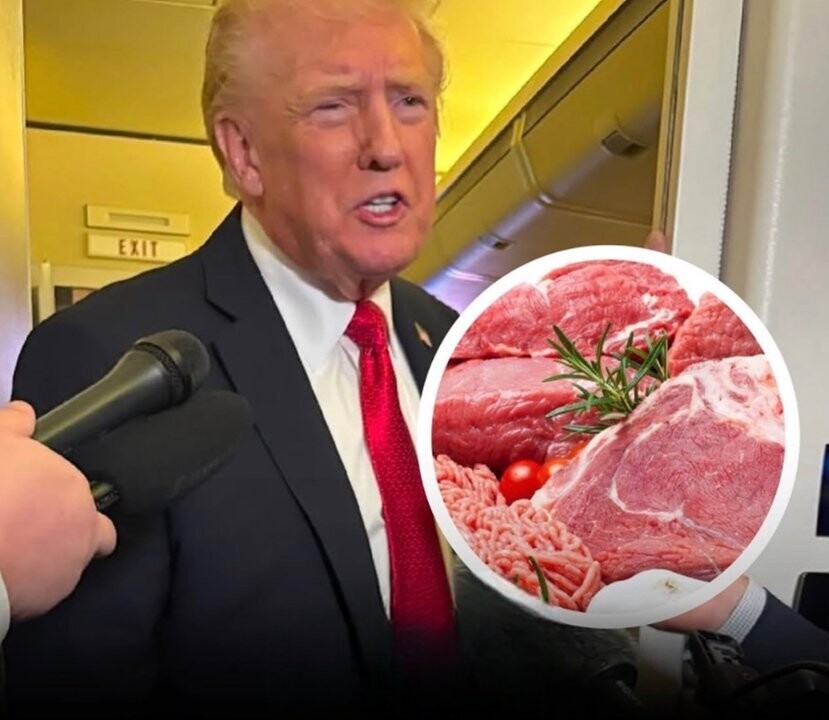
Argentine refrigerators must achieve unprecedented logistical efficiency to secure quotas before their competitors. The first tranche of 20,000 tons will be formally opened on February 13 and will remain open until March 31. It is important to note that these amounts are added to the 20,000 tons historically allocated to Argentina. The internal front: Resistance in the "Cattle Belt" Despite the optimism in the Argentine Foreign Ministry, led by Pablo Quirno—who is already taking steps to make this measure permanent—resistance within the United States is palpable. Bill Bullard, executive director of R-Calf USA, warned that the U.S. industry is in crisis and the massive entry of Argentine protein will depress prices paid to local producers, affecting national self-sufficiency. In Buenos Aires, February 6 (NA)—In a lightning move that solidifies the terms of the pact sealed just twenty-four hours earlier, President Donald Trump signed an executive order this Friday that raises the annual quota for Argentine beef allowed in the U.S. market from 20,000 to 100,000 tons. Titled "Ensuring Beef at Affordable Prices for the American Consumer," the measure aims to inject a supply shock into the aisles to mitigate the cost of living in the U.S. However, Bullard offered some relief to his representatives by noting that, according to the current text, 80,000 of these tons will expire at the end of 2026, which places the measure as a temporary inflationary "patch" and not as a definitive structural change. This decree not only tests the loyalty of Republican lawmakers from agricultural states towards Trump, but it also places Argentina in an unprecedented privileged commercial position, acting as the main external supplier to stabilize one of the most sensitive components of the U.S. basic basket. "I am taking measures to temporarily increase the amount of imports... with the aim of increasing the supply of ground meat," the text of the executive order reads. Schedule and logistics of shipments The increase of 80,000 metric tons will be administered under a "first-come, first-served" scheme and will be distributed in four quarterly tranches throughout 2026. The remaining three tranches, of equal volume each, will be successively opened on April 1, July 1, and October 1, closing the cycle on the last day of December. The decree details a "perfect storm" that has decimated the U.S. cattle herd in recent years: Climate and Environmental Crisis: Severe and persistent droughts in key producing states like Texas, Oklahoma, and Kansas limited forage production, forcing producers to drastically reduce their herds. Sanitary Restrictions in the Region: In May 2025, the detection of the "cattle grub" in Mexico forced the Department of Agriculture (USDA) to restrict the flow of live animals from the southern border, further strangling the supply for U.S. feedlots. Historical Minimum Stocks: Trump emphasized that as of July 2025, the national cattle inventory fell to 94.2 million head, a scarcity level that pushed the price of a pound of beef to a record high of $6.68 last December. "As president, I have the responsibility to ensure that hard-working Americans can afford to feed their families."