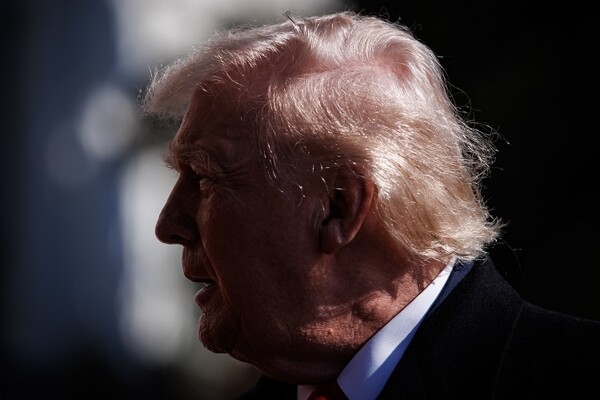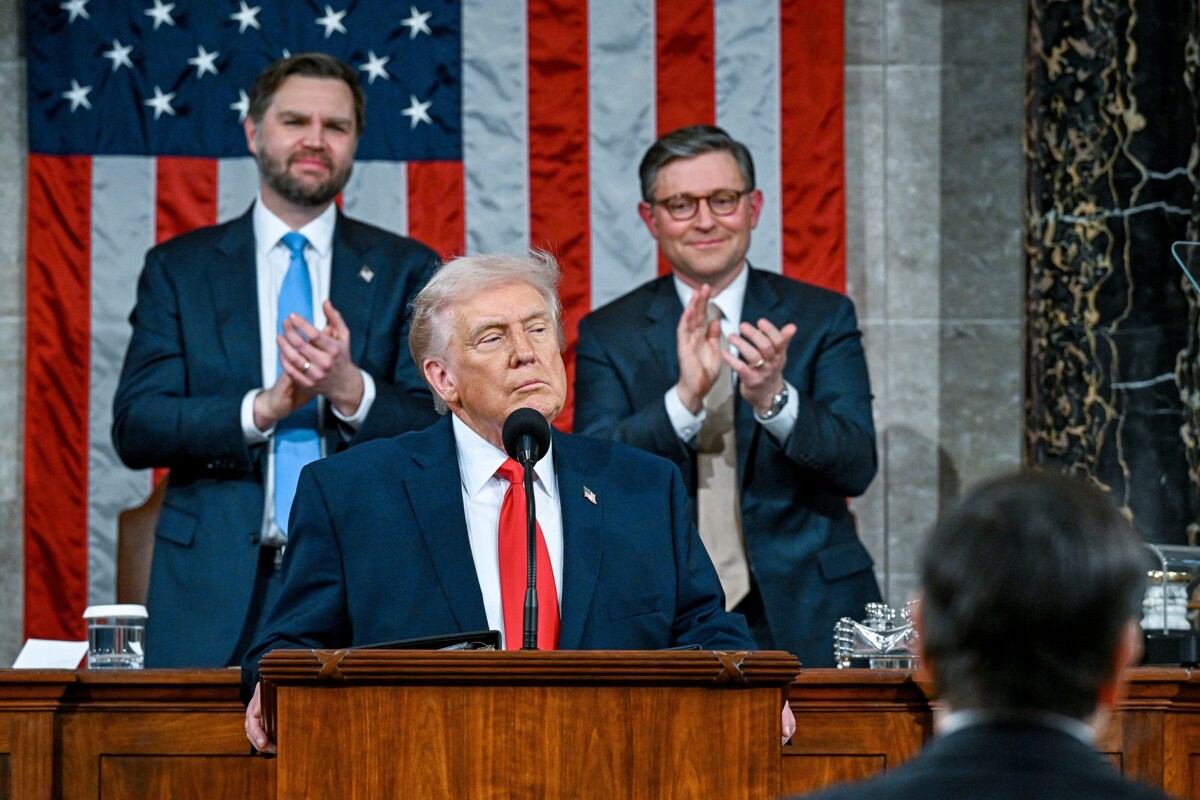
U.S. President Donald Trump delivered his State of the Union address, presenting a triumphant assessment of his administration. He spoke of an employment boom, a resurgence in national manufacturing, and a "new order" in foreign policy, aiming to reverse a climate of weariness reflected in recent polls.
The ceremony was marked by a series of tense scenes, mixing partisan fervor with a direct clash between the government and the opposition. The first shock came early on when Representative Al Green (Democrat from Texas) was escorted from the chamber. Green held up a sign reading "Black people aren't apes," a direct reference to a video circulated days ago and later deleted from social media linked to the president, which depicted former President Barack Obama and former First Lady Michelle Obama in an offensive caricature.
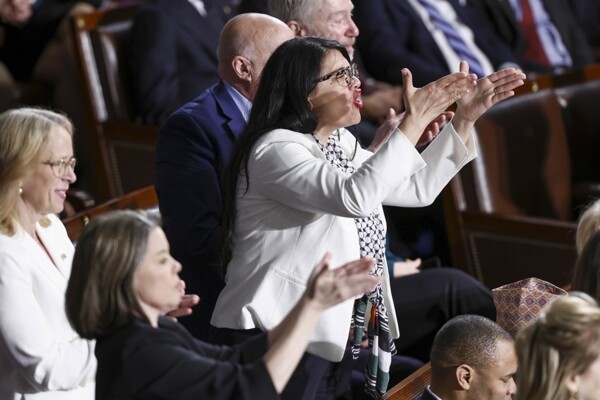
Several Democratic congresswomen wore white, reviving a symbolic strategy previously associated with suffragists. Republican lawmakers booed them in the chamber, and security personnel removed them while the session continued. Part of the Democratic bloc remained seated. The president let the tension "breathe" and, with a stern expression, returned fire from the podium with direct reproaches.
This scene erupted when Trump asked those who believe the country's primary mission is to protect American citizens to stand up. This time, white served as a message against the SAVE America Act, a bill that requires proof of citizenship to register to vote. "I'm not going to pretend that everything is normal," one protest leader summarized, revealing that the opposition aims to portray the president as an eroding factor for institutions.
In one of the night's harshest exchanges, Representative Ilhan Omar shouted at the president, shocking the chamber: "You have killed Americans!" The Democrats also staged a boycott: dozens of lawmakers skipped the event entirely, opting for parallel gatherings.
Trump's foreign policy remarks also raised eyebrows. He called Venezuela a "new friend and partner" and claimed the U.S. received over 80 million barrels of oil from the South American nation. This move fits into a new scenario opened by the capture of then-President Nicolás Maduro in an operation that shook the region and led to his transfer to New York to face drug trafficking charges.
In a rare emotional truce, the Capitol shared a moment of applause. The U.S. men's ice hockey team, the Olympic champion from the Milan Winter Games, received a bipartisan ovation upon entering the chamber. The president also praised the women's team, though its members were not present, and for a few minutes, politics took a backseat to sporting pride.
As power was concentrated in one building, a silent protocol mechanism was reactivated: the "designated survivor." Its purpose, under the doctrine of continuity of government, is to ensure that an executive branch official is always available in case of a catastrophe that simultaneously strikes the top echelons of the state. This responsibility fell to Secretary of Veterans Affairs Doug Collins, who remained outside the chamber in a secure, reserved location.
Ultimately, the State of the Union left a dual impression: Trump sought to install a narrative of results and control, but the setting returned an image of a deeply divided country, where protests are not hidden, gestures are shouted, and the democratic liturgy increasingly exposes the fight over the soul of the United States.