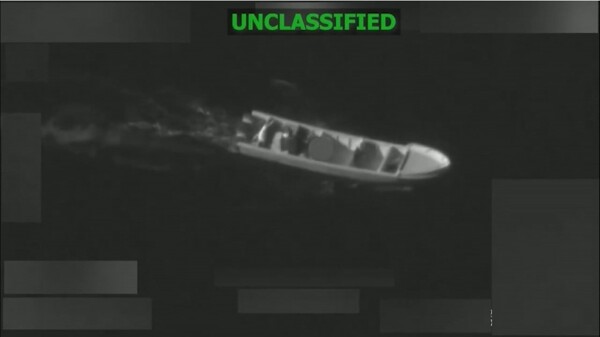
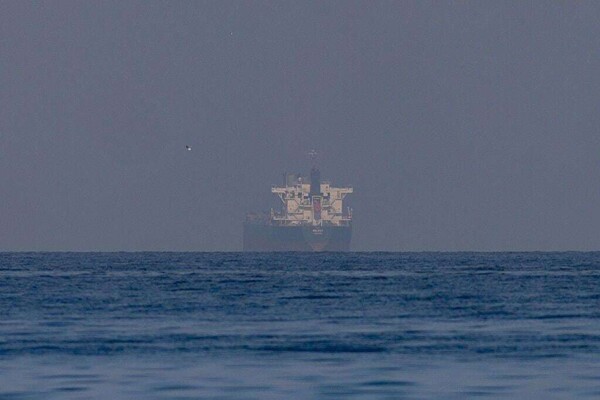
U.S. forces will begin to intercept vessels linked to Iran or that use its ports. Military operations in the area. The objective is to limit Iranian oil exports and prevent Tehran from obtaining revenue from maritime transit. Although the U.S. claimed it will allow transit to non-Iranian ports, the military presence in the zone increases the risk of incidents. This comes after the failure of negotiations between the United States and Iran in Islamabad, leaving a fragile ceasefire in the air. Experts consulted by AP warn that this measure could increase the price of oil by $5 to $10 per barrel, fuels could become more expensive worldwide, and transportation and logistics costs could rise. Furthermore, it could directly affect the production of basic goods, mainly due to the rising cost of fertilizers. Iran's Reaction From Tehran, the response was even one of defiance. The Speaker of the Iranian Parliament warned that the country will not yield to threats and left the door open for an escalation: "If they fight, we will fight... we will not yield to any threat." Additionally, the Revolutionary Guard warned that it will consider any military presence a violation of the ceasefire, raising the risk of direct confrontation. (CENTCOM), which detailed that the measure will apply to all maritime traffic entering or leaving Iranian ports, regardless of the nationality of the vessels. This is important because the Strait of Hormuz is not just any point on the map, but one of the most strategic maritime routes on the planet, as it carries nearly 20% of the world's oil, according to the U.S. Energy Information Administration (EIA). Moreover, the route is key for the supply of Asia, Europe, and part of the Americas, connecting the Persian Gulf with the open ocean, so any disruption in this area directly impacts the prices of oil, gas, and, consequently, the global economy. What does the U.S. blockade imply? According to CENTCOM, the measure ordered by President Donald Trump implies: Interception of vessels. The fragile truce in the Iran war is about to fail, the world has entered a critical phase as this Monday the United States begins to apply a naval blockade on the ports of Iran and in the Strait of Hormuz area, reported Metro World News. This is scheduled for 10:00 a.m. Eastern Time (8:00 a.m. Denver time), which could alter the global energy balance and increase military tension in the Middle East. U.S. President Donald Trump stated this Sunday, after the failure of negotiations with Iran, that the Navy would take control of the maritime route, and the information was confirmed by the U.S. Central Command. The elimination of underwater mines and possible actions against vessels that pose a threat are contemplated. Control over energy routes.