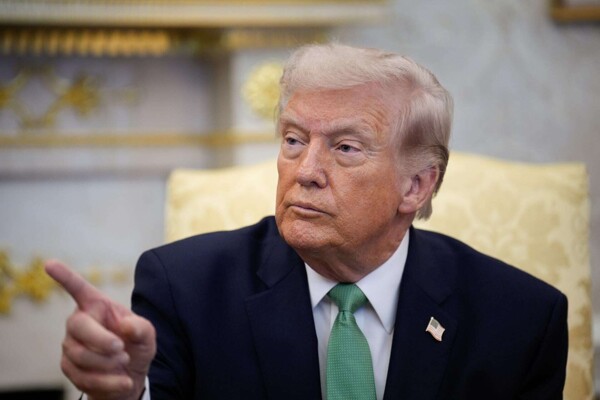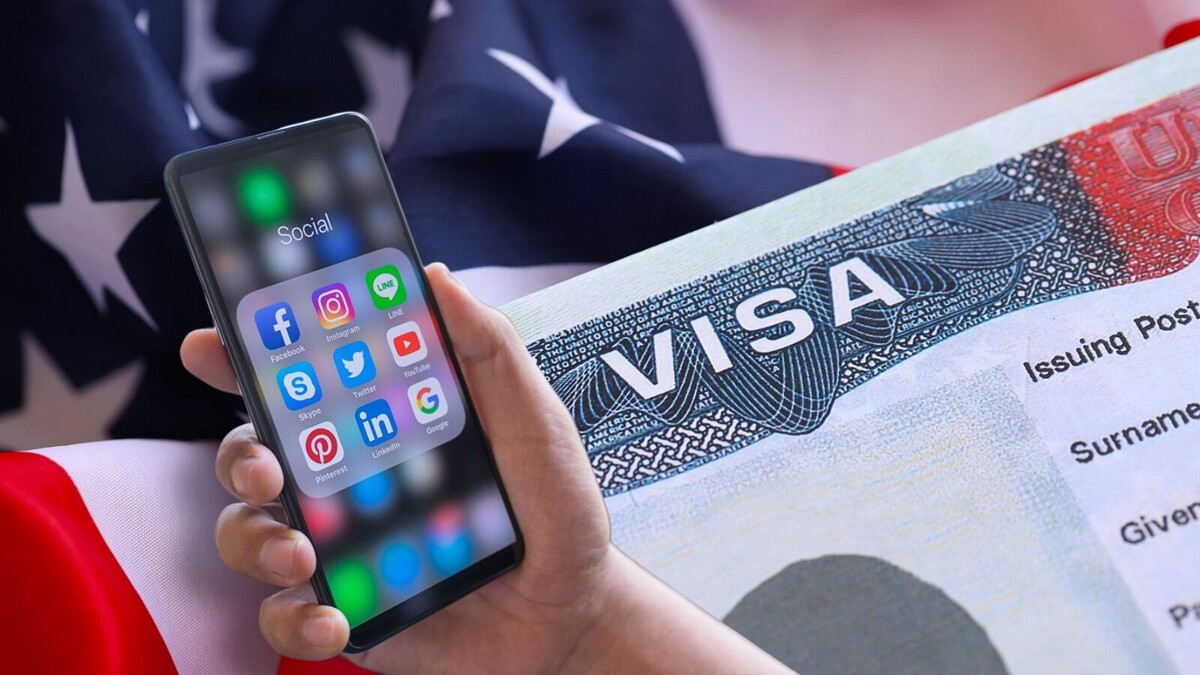
The U.S. Embassy in Mexico reported that the Department of State has expanded the review of social media and digital presence for visa processing. This measure took effect as of Monday, March 30, and is part of an adjustment in controls for those seeking to enter the country. The expansion of this migratory policy affects various categories of non-immigrant visas, including work permits, exchange, family reunification, and special programs. What types of visas will be subject to this new digital review? According to the U.S. embassy, the expansion of this measure is a response to the inclusion of more profiles in the digital analysis conducted by the U.S. government of individuals seeking to enter its territory. Authorities have established that visa applicants must keep their social media accounts open throughout the entire process, meaning configured as public and accessible for online review. The visas now subject to review include: H-1B and their dependents, F, M and J (students and exchange), A-3, C-3 and G-5 (domestic workers), K (fiancés and family members of U.S. citizens), Q and R (cultural and religious programs), S, T and U (special protection schemes). Similarly, the embassy explained that this condition is necessary to allow for the verification of the applicant's information. “Your social media accounts must remain public during your process,” the diplomatic representation stated on its social media. It also reminded that visas can be canceled if irregularities are detected, such as exceeding the permitted length of stay, engaging in illicit activities, or posing a security risk. The announcement comes in the context of adjustments to U.S. migratory policy following Donald Trump's return to the White House. Why is the U.S. tightening controls in the visa process? The U.S. government maintains that visa issuance, which has been more expensive since October 2025, is governed by security criteria, and therefore can be restricted or canceled at any time. The embassy reiterated that the visa does not constitute a right for applicants. This includes the review of posts, history, and any content that may be considered relevant to determining if the individual poses a risk. U.S. authorities indicated that this mandatory review of social media and digital posts is part of a broader security scheme.