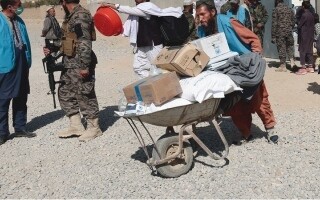
An independent researcher in aid systems, Timiriz Khan, stated: "It is a disgusting way to look at humanitarian aid." She criticized the way the UN praised President Donald Trump and his promises, calling them "generous" despite the many conditions he imposed. Khan said: "It also points to the fact that the UN system itself has now become too subservient to America, to the point that it is subject to one force without being more objective in its view of humanitarian aid." She added: "For me, this is the last nail in the coffin of the UN." The list of 17 priority countries includes some of the world's most needy countries where the US has political interests, including Sudan, Haiti, and the Democratic Republic of the Congo, as well as some Latin American countries. Independent analyst specializing in UN financial affairs, Ronnie Patz, stated: "Their pre-announcement of a selected list of countries indicates that they have very clear political priorities for this money." Patz expressed concern that Washington's demands on where the money can be spent will lead to the ineffectiveness of the UN humanitarian system, which has already shrunk significantly. Patz said: "If a new humanitarian crisis erupts somewhere in the world this year and is not prioritized for funding, it is unclear whether the US will be willing to allow the UN to respond using its money." There are also concerns that the financial amount will not be sufficient. The $2 billion in aid that the US pledged last week was welcomed by the UN as "bold and ambitious," but aid experts fear it could be "the last nail in the coffin" of the shift to a "shrinking" aid system that is less flexible and dominated by Washington's political priorities. After a year of significant cuts to aid budgets by the US and European countries, the announcement of new funds earmarked for humanitarian support is some relief, but experts are extremely concerned about the demands the US has placed on how the money is managed and where it can go. When the US State Department announced the commitment on Tuesday, it said that "the UN must adapt, shrink, or die by implementing changes and eliminating waste." Thomas Burns, CEO of the humanitarian sector consulting firm "Market Impact," who has tracked aid cuts throughout the past year, said: "The $2 billion the US provided to the UN is far less than the $3.38 billion provided in full under the Joe Biden administration." Burns added: "This is a carefully crafted political statement that covers up more than it reveals." He also said that the contribution is better than nothing, but its impact will be limited in the context of other US decisions, including the $5 billion cut to foreign aid already approved by Congress and the proposal to end support for peacekeeping missions in which the US has been a strong contributor.