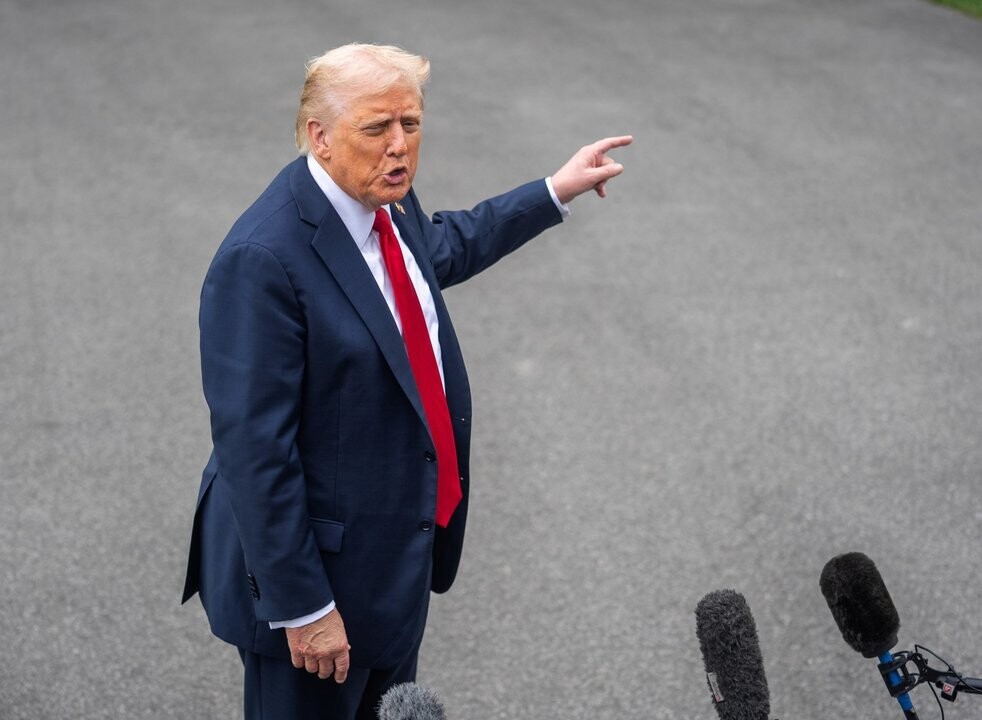
Washington, D.C., December 11. U.S. President Donald Trump signed an executive order to establish a national regulatory framework for artificial intelligence (AI), aiming to restrict the ability of states to impose their own regulations on the sector. According to the order, for U.S. AI companies to succeed, “they must have the freedom to innovate without burdensome regulation,” and it warns that the proliferation of state laws frustrates that objective. The White House aims for a single standard and threatens sanctions. The executive order argues that state-by-state regulation creates “a mosaic of 50 different regulatory regimes,” which complicates compliance, especially for emerging companies, and accused some state laws of imposing “ideological biases” on AI models. “My Administration must work with Congress to ensure a single national standard with minimal burden, and not 50 discordant state standards,” the document states. The measure also instructs Attorney General Pam Bondi to create an AI Litigation Task Force, whose exclusive function will be to challenge state laws that regulate the development and use of artificial intelligence. According to the order, states that do not align with federal policy could face financial sanctions, including the potential loss of funds from the Broadband Equity, Access, and Deployment program, which aims to expand access to high-speed internet. The decision represents a victory for technology companies like OpenAI and Google, which have questioned strict state-level regulations. In May, OpenAI CEO Sam Altman warned Congress that a fragmented approach would significantly weaken the competitiveness of U.S. companies. Nevertheless, U.S. media noted that several states have already moved forward with their own legislation in the absence of a federal law, and critics warn that excessive deregulation could allow AI companies to evade liability if their tools cause harm to consumers.