Politics Events Country 2025-12-02T16:33:07+00:00

US Increases Military Presence in Latin America

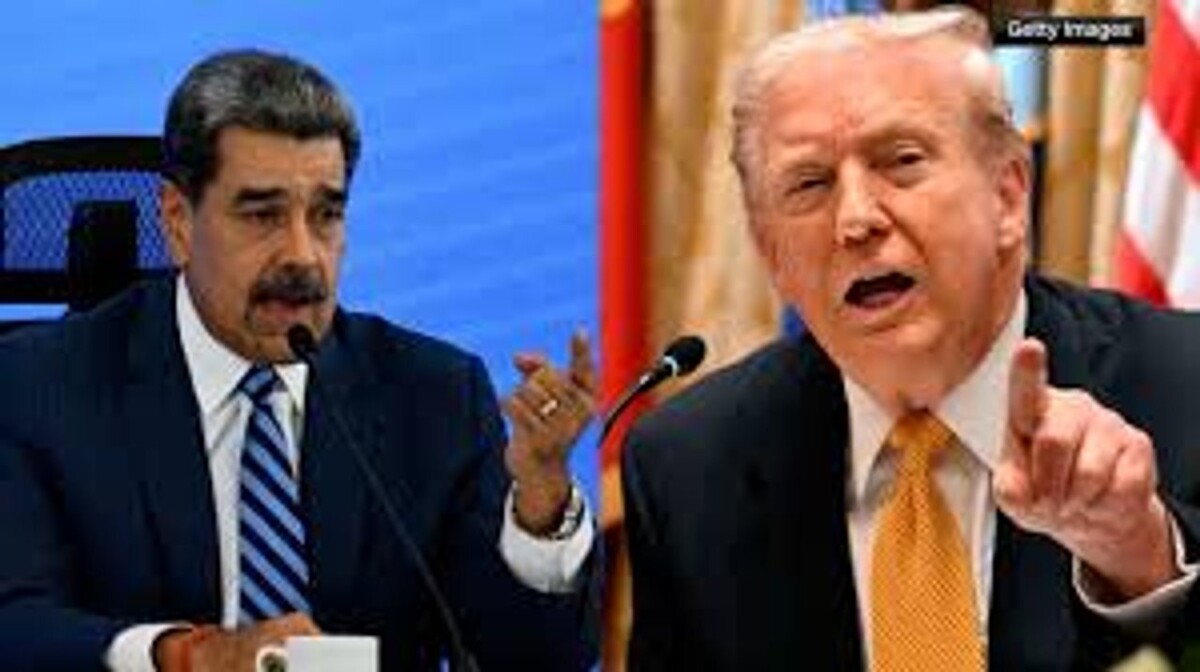
The Trump administration deploys troops in the Caribbean, imposes sanctions on Latin American countries, and threatens military intervention, sparking sharp criticism and strengthening regional solidarity.


US Increases Military Presence in Latin America

The United States has deployed a dozen warships and 15,000 soldiers in the Caribbean, sharing a significant coastline with Venezuela. High tariffs were imposed on countries like Brazil, aid to Colombia was suspended with threats of sanctions, and Cuba was added to the list of state sponsors of terrorism, intensifying the embargo against the island. Colombian President Gustavo Petro condemned the U.S. military operations in the Caribbean and demanded a criminal process against the officials responsible. Meanwhile, Brazilian President Luiz InĂ¡cio Lula da Silva warned about the humanitarian errors of past interventions. The U.S. administration, under Trump, has implemented a series of measures towards Latin America and the Caribbean, seeking to coerce and divide the region through a combination of incentives and punishments. This policy, dubbed by U.S. media as the 'Donroe Doctrine,' represents a more aggressive version of the Monroe Doctrine, aiming to impose a hegemonic logic in the Western Hemisphere. Experts agree that Trump has turned the shield of the Monroe Doctrine into a sword to preserve declining U.S. hegemony.
Latest news

See all news
US to Impose $45 Fee for Lack of Real ID at Airports
2025-12-01T22:54:38+00:00

US to Impose $45 Fee for Lack of Real ID at Airports

The United States will begin charging a $45 fee starting next February for travelers without a Real ID or passport, announced the Transportation Security Administration (TSA) on Monday. This fee is part of the U.S. government's goal to ensure that air passengers have federally verified identification. The TSA states that the charge will cover the administrative costs and passenger identity verification, ensuring that the expense is borne by travelers and not taxpayers. Initially, the agency had proposed an $18 fee. The Real ID Act, which went into effect last May, was passed in 2005 to strengthen airport security following the September 11, 2001, terrorist attacks, but its implementation had been postponed on several occasions. Until then, air travelers could travel domestically with forms of identification, typically state-issued driver's licenses, which has led to government warnings causing concern and a last-minute rush to obtain this credential. To obtain a Real ID (marked with a star), one must visit a motor vehicle regulatory office and provide their name, date of birth, Social Security number, two proofs of residency, and verification of legal status in the U.S., according to the Department of Homeland Security (DHS) website. Regarding undocumented immigrants who choose to leave the country following the Trump administration's recommendations for 'self-deportation,' the TSA said they will not be denied boarding on international flights for this requirement.