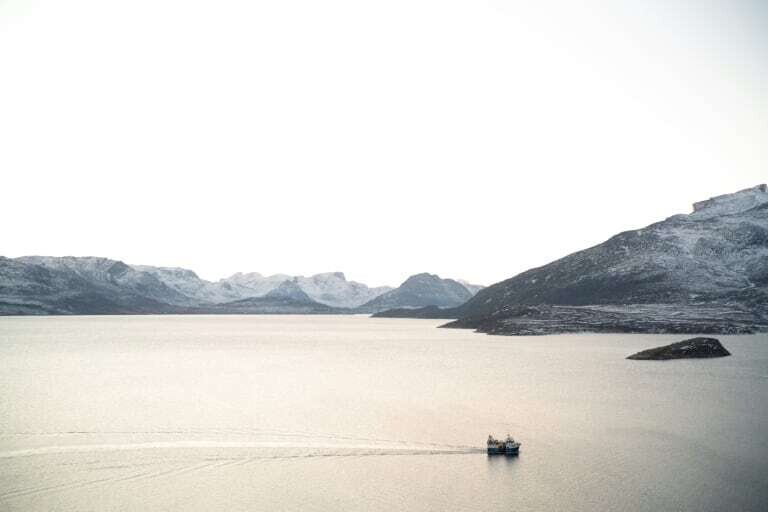
The Arctic sea ice, formed by the freezing of seawater, is at extremely low levels of reconstitution, even below last year's record minimum, according to data from the U.S. National Snow and Ice Data Center (NSIDC) analyzed by AFP. If the trend continues before the end of this month, it will rank among the five smallest ice covers in four decades of satellite observation, and could even break last year's record. This year's maximum ice extent reached 14.22 million km² on March 10, lower than the 14.31 million km² on March 22, 2025. The Arctic is warming four times faster than the rest of the planet, and the last eleven decades are among the warmest ever recorded. According to Shaye Wolf, climate science director at the Center for Biological Diversity, 'the warning signals indicate that we are heading toward an overheated planet that will suffer considerable damage.' The poor reconstitution of the sea ice could accelerate summer melting, affecting numerous species such as polar bears and seals, which depend on ice for reproduction and feeding. Additionally, the decrease in ice alters wind patterns and water mixing, which can contribute to greater local warming. The reduction in sea ice also opens new maritime routes and facilitates access to mineral resources, generating tensions between powers like Russia, the United States, and Canada. Elizabeth Chalecki, an expert on climate change and security, warned that 'the Arctic is transforming into a new Mediterranean: a shared maritime space surrounded by rival states.' The combination of climate change and the opening of new routes and resources makes the Arctic a zone of high strategic interest, where scientific, energy, and military interests overlap.