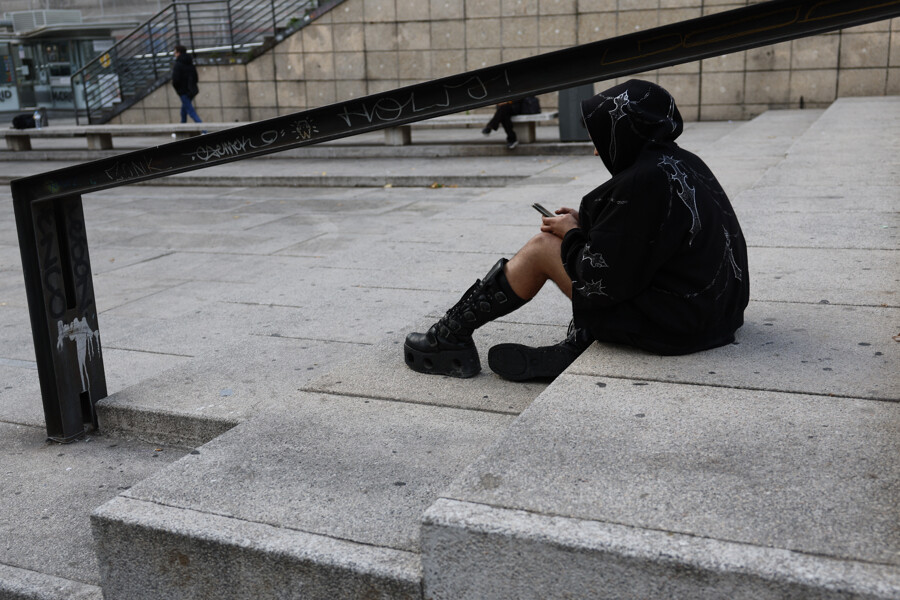
A new study has found that the excessive use of social media is causing an 'epidemic of loneliness' among young Americans. The research, based on surveys of 64,988 young people aged 18 to 24 from over 120 US universities, shows that the more time users spend on these platforms, the more likely they are to feel lonely, isolated, and at a higher risk of depression. Researchers from the Universities of Cincinnati and Indiana asked students how many hours they dedicate to social media in a typical week while also investigating feelings of loneliness by asking how often they felt excluded, lacked companionship, or considered themselves isolated. Excessive use of social media and the internet was defined as more than 16 hours per week, a threshold established in previous studies. The analysis of the results indicates that the more time spent on social media, the lonelier the young people reported feeling. For instance, those who use social media for at least 30 hours a week are 38% more likely to report loneliness compared to those who use it for less than 16 hours weekly. Among the 64,988 surveyed, 54% reported feeling lonely, which aligns with other recent research in the United States. Female students and Black students reported the highest levels of isolation and exclusion. Interestingly, students enrolled in hybrid programs (half in-person, half online) reported feeling less lonely, which the authors attribute to having more time to see old friends. Additionally, those living on campus are less prone to loneliness than those living at home, a finding the researchers link to the greater opportunity for in-person social interaction through cohabitation, meetings, and/or parties. 'We know that people who feel lonely are more prone to depression and have a higher risk of dying prematurely,' said one of the authors, Madelyn Hill. 'These findings underscore the widespread nature of loneliness among college students and highlight that excessive social media use may be replacing the meaningful in-person interactions that protect their mental health,' said another author, Ashley Merianos. 'A key public health strategy to combat this loneliness epidemic is to strengthen social connections and help students build supportive relationships beyond the internet,' Merianos added. The authors believe that young people should be better informed about the potential harmful effects of social media use, and that educational institutions should encourage them to set time limits for their use.