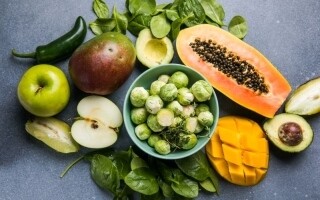
Nutrition experts point out that plant-based foods are also an important source of iron, especially for those following a vegetarian diet or limiting meat consumption. The iron found in plants is absorbed by the body less efficiently than in animal products, but consuming it intelligently can make a big difference. Iron is an essential mineral the body needs to stay healthy. It plays a crucial role in supporting the immune system, mental development, DNA formation, and energy production. Cooking in iron cookware is another natural way to increase a food's iron content. The body's daily iron needs vary by age, gender, and health status. For adult men aged 19 to 50, the recommended amount is about 8 mg per day, while women in the same age group need about 18 mg daily. Pregnant women's iron needs increase significantly to around 27 mg per day due to iron's role in fetal growth and blood volume increase. Key plant-based sources of iron include leafy vegetables, with spinach being a prime example. Its benefits are enhanced when cooked, especially when consumed with lemon or tomatoes to boost absorption. Legumes, particularly lentils, are another important source of plant-based iron and protein, making them suitable for soups, stews, and salads. White beans provide the body with iron, fiber, and potassium, promoting heart and muscle health. Other vegetables like asparagus, rich in iron and folic acid, and beets, which supply iron and antioxidants, can be roasted or added to salads. Fruits, especially dried ones, are also good sources of iron. For instance, dried apricots and dried dates are iron-rich and fiber-filled snacks. Figs, particularly dried, contain iron and minerals that support bone and digestive health, while raisins are a practical and easy addition to snacks and salads. Avocado is unique for its iron, vitamin C, and healthy fats content. Strawberries, thanks to their vitamin C richness, help improve the absorption of plant-based iron when consumed together. Diversifying your diet and combining plant-based iron sources with vitamin C remains the key to enhancing absorption and maintaining good health. Simple methods, like consuming foods rich in vitamin C (oranges, strawberries, tomatoes, bell peppers), can significantly improve the body's iron absorption. Iron is a key component of hemoglobin, the protein in red blood cells responsible for carrying oxygen throughout the body. A lack of iron can lead to fatigue, weakness, and a weakened immune system. Nutrition experts confirm that relying on a variety of fruits and vegetables can provide the body with a significant portion of its daily iron needs, even without meat.