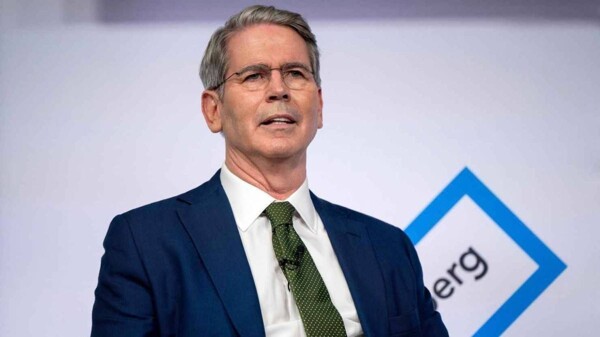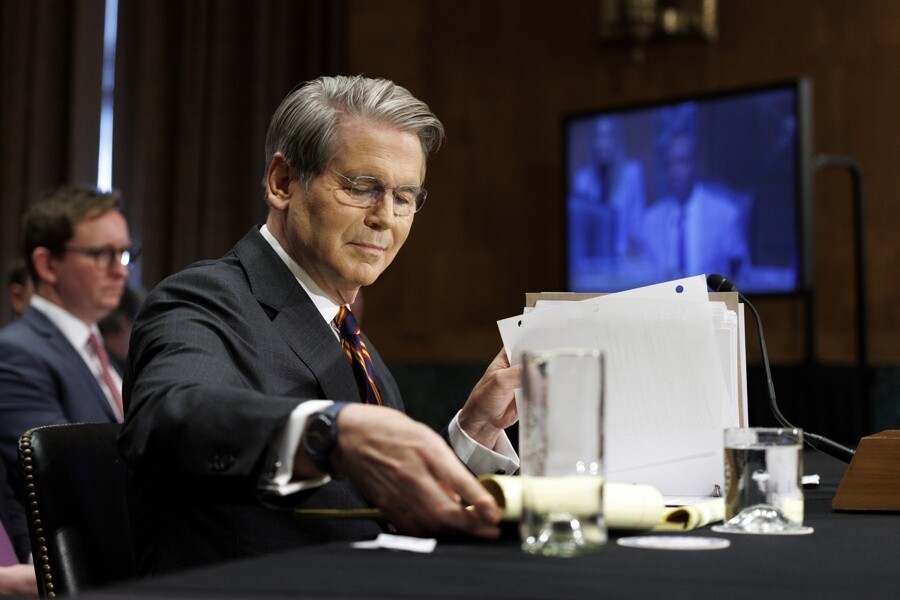
U.S. Treasury Secretary Scott Bessent stated on Thursday that the Donald Trump administration is studying emergency measures, such as unblocking Iranian oil and using its own reserves, to contain the escalation of oil and other commodity prices amid the prolonged conflict with Iran. In an interview on Fox Business, Bessent revealed that the Trump administration is considering «lifting sanctions on Iranian oil» that is already in maritime transit—a figure he estimates at around 140 million barrels—to immediately inject supply into the global market. «Essentially, we will use the Iranian barrels against the Iranians themselves to keep prices low for the next 10 to 14 days while we continue this campaign,» the Treasury chief noted, assuring that the U.S. government has «many levers» and additional tools to stabilize the economy. Traffic in the Strait of Hormuz, through which a fifth of the world's oil and natural gas supply flows, remains largely paralyzed due to attacks on vessels. Use of the Strategic Reserve In addition to the Iranian oil currently at sea, Bessent emphasized that the United States could make new releases from its own Strategic Petroleum Reserve if upward pressure persists due to tensions in the Middle East. The strategy aims to cushion the impact of the conflict on American consumers' wallets, especially amid fears that the war will have a prolonged effect on energy supply chains. The Middle East crisis is affecting not only fuel but has also begun to increase the operational costs for farmers. In this regard, Bessent announced that the Department of Agriculture «will probably make an announcement about fertilizers in the coming days.» This measure seeks to alleviate the financial burden on agricultural producers, who face an increase in basic inputs due to geopolitical instability.