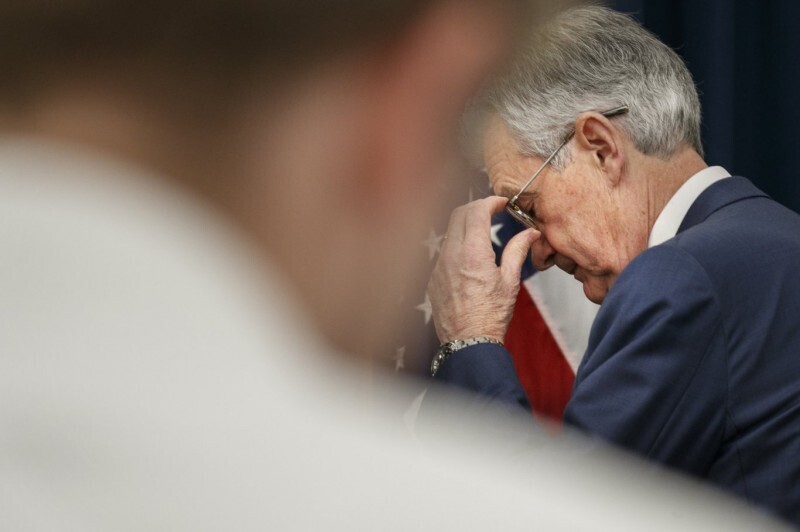
Some fear even an inflationary surge. The warnings come amid an investigation by the New York Fed, which warns that about 94% of tariff costs were passed on to U.S. companies and consumers in the first eight months of the year. While some participants noted reports of companies implementing technology to reduce costs, which could favor lower inflation, the majority agreed that the process of converging toward the 2.0% inflation target could slow this year, and there remains a risk that some firms may raise prices in response to high cost pressures. Regarding the labor market, it is noted that the unemployment rate has remained stable in recent months, although job creation has shown moderation. Most indicated that unemployment, layoffs, and job vacancy indicators suggest the labor market is stabilizing after a period of cooling. Meanwhile, some participants mentioned that companies remain cautious in their hiring decisions due to economic uncertainty, the effects of artificial intelligence, and lower migrant flows. At a historic moment of tension between the U.S. president and the Federal Reserve (Fed), the team led by Jerome Powell maintains a restrictive and alert stance over the pressures tariffs may exert on inflation throughout the year. The minutes published this Wednesday regarding the January 28 meeting reflect a predominantly concerned and alert posture about possible inflation increases, justifying the pause in the interest rate applied last month after a 75-basis-point cut that placed it in a range of 3.50% to 3.75%. The discussion occurred just days before the U.S. Attorney's Office announced a criminal investigation against Powell for renovation works at the institution's headquarters in Washington, thus escalating President Donald Trump's criticism of the central bank head for not lowering interest rates more forcefully. Trump's demand has had little impact on most of the board, and these tensions have not been reflected in the minutes, although a clear division is observed: Trump allies Stephen Miran and Christopher Waller favored reducing interest rates, arguing labor market weakness. Despite Trump's attacks, the Fed paused interest rate cuts. 'The current stance of monetary policy was still significantly restrictive, and they considered that the downside risks to the labor market were a more important political concern than the risk of persistently elevated inflation,' the minutes state. Thus, ten bankers unanimously agreed to the monetary pause and warn that inflationary pressures have not yet completely dissipated due to tariffs.