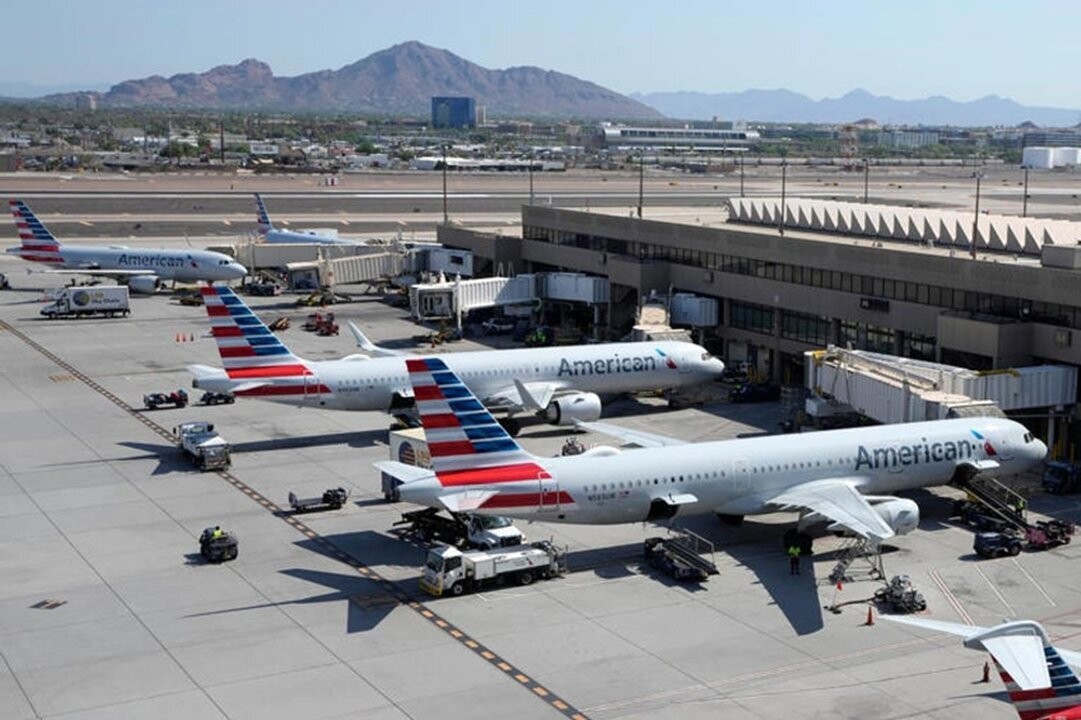
The United States is experiencing a deep crisis in its air traffic system, marked by thousands of cancellations and delays affecting the country's main hubs. The root of the problem is the prolonged government shutdown, which has left about 13,000 air traffic controllers (considered essential personnel) working without pay for over a month. The Federal Aviation Administration (FAA) has been forced to implement a 10% reduction in air traffic at 40 of the busiest airports, such as Newark, LaGuardia, Boston, Chicago O'Hare, and those in the Los Angeles and Dallas areas, in an effort to maintain safety standards amid staffing shortages and growing absenteeism. The situation has generated a wave of criticism and warnings about safety and economic impact. U.S. Transportation Secretary Sean Duffy warned that the problems "are only going to get worse" as the shutdown drags on and controllers lose a second full paycheck, which could lead to certain airspace closures due to a lack of staff. Henry Harteveldt, an aviation industry analyst, explained that "now we have to start making the tough cuts." Harteveldt emphasized that the flight restriction order comes as an extreme measure that increases pressure on lawmakers. Bedford, FAA Administrator (with 35 years of experience in the market), described the situation as "unprecedented," noting that the priority is for controllers to remain at their posts, though he admitted that the lack of a political agreement could lead to massive disruptions. The chronic staffing shortage in control towers (which would require about 3,000 additional controllers) has been exacerbated by absenteeism, fatigue, and stress among those working six-day weeks and shifts of up to ten hours. Thousands of passengers are stranded or have their plans cut short, expressing their frustration and uncertainty. Leonor Trinidad, an affected traveler at Newark Airport, pointed out that "if my flight is delayed, I will be disappointed on many levels." The Federal Aviation Administration (FAA) has been forced to implement a 10% reduction in air traffic at 40 of the busiest airports, such as Newark, LaGuardia, Boston, Chicago O'Hare, and those in the Los Angeles and Dallas areas, in an effort to maintain safety standards amid staffing shortages and growing absenteeism. The situation has generated a wave of criticism and warnings about safety and economic impact. U.S. Transportation Secretary Sean Duffy warned that "if we get to a week from today, you will see massive chaos." The lack of an agreement to approve the budget and end the shutdown is the determining factor. The most serious warning from Secretary Duffy is that the "massive chaos" could arrive next week, coinciding with the loss of a second paycheck for controllers. The uncertainty about when air travel restrictions will end is total, as the FAA has indicated that cuts will remain in effect until safety indicators improve, even if a political agreement is approved in Congress. Projection: The Treasury crisis and the impact in the coming days. The air travel chaos is a direct symptom of the political pulse in Washington that has paralyzed the federal government. The financial pressure on this key personnel could dramatically increase absenteeism, forcing even broader closures and delays exceeding three hours on a widespread basis at major airports. Each day of paralysis represents millions of dollars in losses for airlines and the tourism sector during peak travel season (with Veterans Day and Thanksgiving just around the corner). If an agreement is not reached in Congress to fund government operations, the shutdown will continue, perpetuating the crisis in the air. The solution depends directly on the political parties (Congress and the President) yielding in their budget negotiations, a scenario that, so far, does not show a prompt resolution. You will see massive flight delays. I have made great professional sacrifices to be here for my son today.