


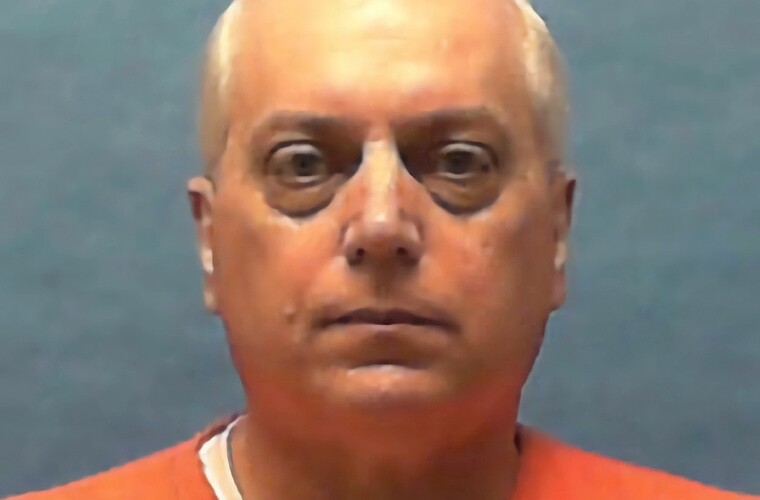
This Tuesday, the state of Florida will carry out the execution of Michael King by lethal injection, consolidating a trend that concerns human rights organizations. His sentence is the result of the brutal kidnapping, rape, and murder of Denise Amber Lee, a young mother from Sarasota County, a case that shocked American public opinion and put the efficiency of emergency services under scrutiny. A fatal error in the emergency system. The crime, perpetrated in 2008, transcended the pages of crime chronicles due to critical negligence in the official response. Despite the victim herself and several witnesses managing to contact the 911 service, a series of communication failures prevented the police from arriving in time to save her. This tragic outcome prompted the Florida Congress to enact the 'Amber Lee Act', legislation designed for mandatory training of emergency operators, seeking to prevent bureaucracy and human error from costing more lives. Controversy over the pace of executions. As the state prepares for the legal procedure, the debate over the death penalty in the United States intensifies. King, 54, will become the fourth criminal to receive the death penalty so far in 2026, a pace that civil groups describe as 'accelerated'. The end of a judicial shadow. Under the administration of Governor Ron DeSantis, Michael King marks the 32nd execution since 2019. Civil organizations are alerting to the frequency of these sentences in Florida this year, pointing out that the speed in the application of justice seeks to send a strong political message in a key election year.