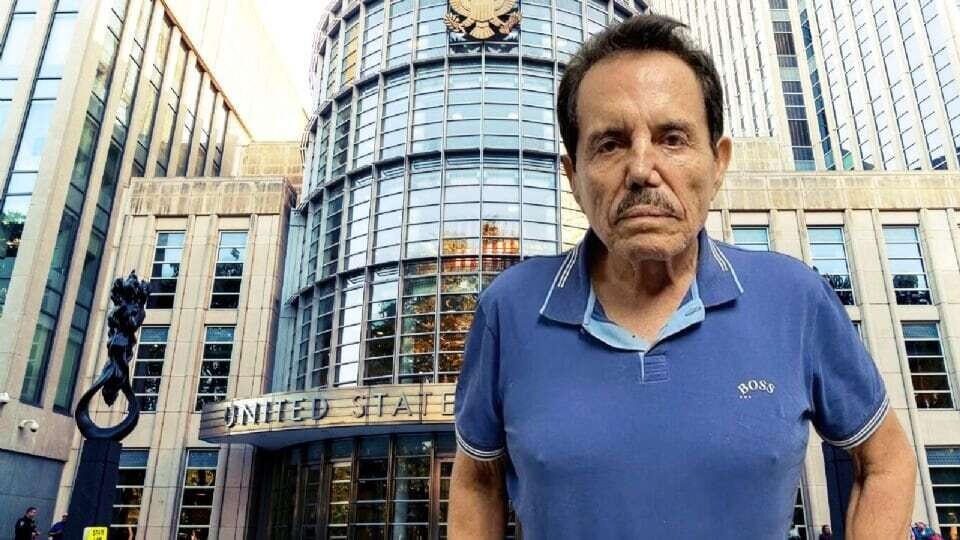
The audience in May will be crucial in defining the procedural future of the man considered the historical leader of the Sinaloa Cartel, as the court analyzes whether the elements presented by the U.S. government are sufficient to issue a final verdict. The postponement underscores the complexity of a trial that seeks to dismantle the finances and operational structure of one of the oldest criminal groups on the continent. Judge Brian Cogan, in charge of the case in the U.S. District Court for the Eastern District of New York, rescheduled the hearing for May 18. This decision came in response to a formal request from the Mexican capo's defense, which argued for the need for more time to analyze the extensive evidence and documents accumulated by the U.S. prosecution.
Zambada, who remained beyond the reach of authorities for decades until his arrest in July 2024, faces a complex judicial process that includes multiple charges for drug trafficking, money laundering, and conspiracy to commit murder. Initially, the hearing was scheduled for the previous week; however, the dimensions of the case and the severity of the accusations forced the parties to seek a wider margin to prepare their respective legal arguments.
According to media reports like Infobae and Proceso, Zambada's technical defense insisted that the volume of information provided by the Department of Justice requires a meticulous scrutiny that could not be completed in the originally scheduled time. The prosecution, for its part, did not raise significant objections to this postponement, allowing the court to set the new date for mid-May. This delay occurs at a time of high diplomatic and security tension, as "El Mayo's" case is considered one of the most relevant for the U.S. judicial system in the fight against transnational organized crime.
Zambada's arrest at a private airport in Texas triggered a series of investigations involving other high-ranking members of the criminal organization and alleged ties with political structures. To date, the accused remains in strict custody in a federal prison, with limited access and under maximum security protocols.