


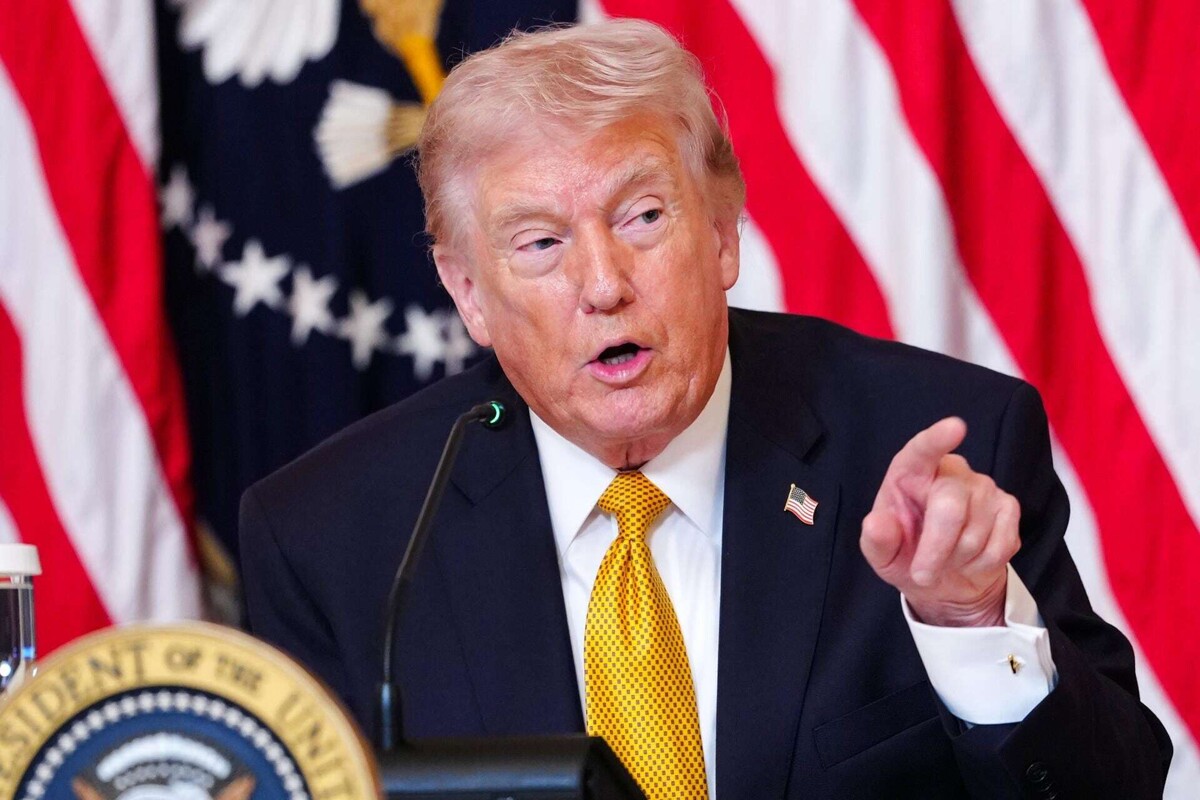
The Islamic Republic has expressed its willingness to listen to proposals, as long as they meet specific criteria. During an event in Memphis, US President Donald Trump stated that Iran is 'serious' in its negotiations with the United States and added that they have held 'very good conversations,' which was the decisive factor in his decision to temporarily postpone... Iran's main conditions: The plan must preserve Iran's national interests. Tehran offers to ensure that its nuclear program will not be diverted to military purposes, defending its right to the peaceful use of this technology. Any agreement must include the complete lifting of economic sanctions imposed on the country. Iran demands credible guarantees that it will not receive new attacks from the United States or Israel. Despite these indirect approaches through intermediaries, Mohammad Bagher Ghalibaf, Speaker of the Iranian Parliament, categorically denied any direct negotiations, calling the reports strategies to manipulate oil prices. US Secretary of State Marco Rubio will meet on Friday in France with his G7 counterparts to address the war in Iran, the State Department announces. Obstacles and international mediation. Trust represents the main barrier. President Masoud Pezeshkian included economic compensation for the destruction caused among his demands and reaffirmed that Iran will retain its missile and drone arsenal. On the diplomatic front, other actors are trying to intervene: Turkey: Minister Hakan Fidan is maintaining communication with Iran, Egypt, and the European Union to seek a way out. Pakistan: The Pakistani government offered to host a possible meeting in Islamabad, where the attendance of Vice President J.D. Vance is speculated. Meanwhile, Israeli government sources indicated that an agreement to end the war with Iran is not considered a tangible possibility at this moment, keeping the combat fronts against Tehran and Hezbollah in Lebanon active. The outlook for a possible cessation of hostilities between the United States and Iran remains under a thick layer of contradictory reports. While the US government suggests progress in dialogue, Iranian authorities maintain a posture of skepticism and public denial, causing instability in global financial and energy markets. President Donald Trump recently announced a five-day pause in military operations, after having previously threatened to destroy Iran's power plants if the Strait of Hormuz was not reopened. LATEST: Iran denies talks with the United States. Donald Trump informed that there have been 'productive conversations' with Iran and that they could end the attacks on power plants; however, Iran did not acknowledge these conversations and indicated that... According to statements by the leader to CNN, there have been 'productive conversations' and supposed points of agreement with a high-level figure from the Iranian government. Trump asserts that the Asian country seeks to reach a definitive agreement to end the conflict. Tehran's position: Openness with conditions. Iranian sources consulted by CNN confirmed that there have been contacts initiated by Washington in recent days, although they clarified that these have not yet reached the status of formal negotiations. Having received attacks while previous dialogues were ongoing, Tehran is showing caution.